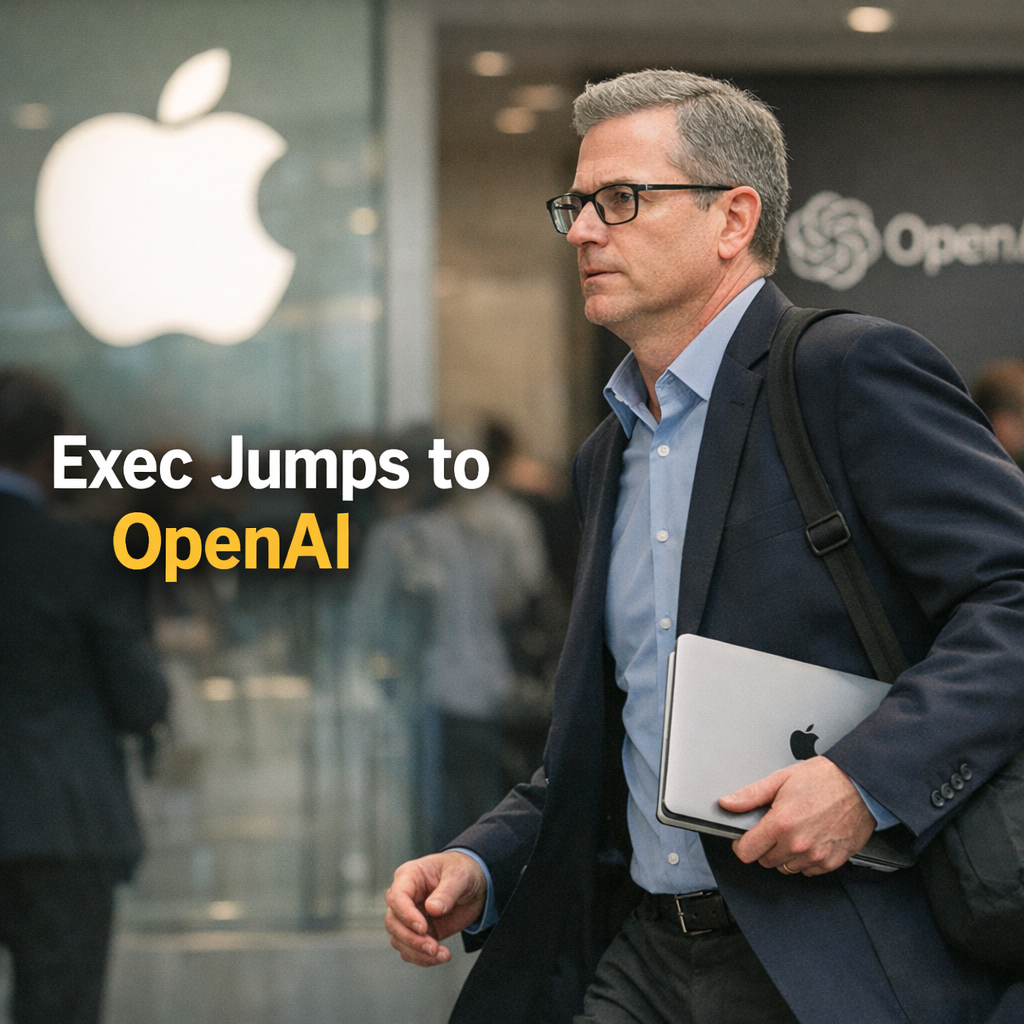
AI continues to evolve rapidly, with major players like OpenAI constantly reassessing their approaches. The latest major move: OpenAI has reorganized its research team responsible for shaping ChatGPT’s conversational personality, signaling new priorities and a significant internal shift with ripple effects across the broader AI sector.
Key Takeaways
- OpenAI has restructured the team behind ChatGPT’s personality features, reportedly disbanding its previous “Superalignment” group focused on aligning AI behavior with human values.
- Several key researchers from the original team have departed, with implications for AI safety research and the direction of generative AI models.
- The move has triggered industry-wide discussions about AI alignment, team stability, and the decentralization of critical LLM research efforts.
OpenAI’s Reorganization: What Happened?
According to TechCrunch, OpenAI dissolved its Superalignment team, the group responsible for steering the “personality” of ChatGPT and ensuring large language models (LLMs) interpret instructions in a safe and socially beneficial manner. Key figures, including two influential researchers who previously sounded alarms about the risks of advanced AI, have left the company. Leadership indicated a need to better integrate safety concerns into broader company roadmaps, moving away from isolated specialist groups.
“OpenAI’s realignment suggests that AI safety is moving from isolated teams into integrated product development pipelines.”
Industry Context: A Broader Shift in AI Safety Approaches
This change reflects wider industry trends. As generative AI systems become ubiquitous, research groups at DeepMind, Anthropic, and Meta have also started weaving alignment work directly into model development teams. Centralized AI safety efforts, while important for foundational research, sometimes lag in productization where quick iterations are necessary.
Multiple reports from Wired and The Verge highlight that OpenAI’s “all hands on deck” approach aims to resolve this disconnect but poses its own risks—such as dilution of long-term alignment goals.
“Several prominent safety researchers now warn that dissolving dedicated teams could reduce focus on critical alignment challenges as commercial pressures intensify.”
Implications for Developers, Startups, and the AI Ecosystem
AI professionals should prepare for shifted priorities in the development of LLMs. Integrating safety and alignment into core product workflows increases overall agility but could weaken depth of oversight.
Developers and startups must remain vigilant, especially if building on APIs or models that may undergo rapid foundational shifts.
OpenAI’s restructuring also signals to startups that the frontiers of AI, including user-facing “personality” adaptation, will increasingly emerge from tightly integrated R&D cycles. Early-stage teams should:
- Monitor announcements for changes to OpenAI’s APIs and safety protocols, impacting application compliance.
- Invest more in in-house AI safety expertise, anticipating gaps that may arise from vendors’ evolving strategies.
- Engage actively in open-source AI discussions, as several ex-OpenAI researchers are expected to join or launch independent safety initiatives.
Competition for top AI talent will intensify as prominent researchers explore new ventures, bringing innovative alignment strategies into the wider ecosystem.
“Developers must stay agile—changes at the top of leading AI labs have immediate downstream effects on platforms, APIs, and compliance requirements.”
Looking Ahead
The future of LLM development now leans on agile models of safety integration. Startups and professionals must prioritize proactive oversight, while also watching for new open-source efforts from recently departed experts. As major AI milestones become more frequent, vigilance in safety and policy—not just technical advancement—will determine winners in the generative AI race.
Source: TechCrunch