AI leaders are reshaping the competitive landscape as legal battles emerge between major tech firms. Elon Musk’s xAI has filed a lawsuit against Apple and OpenAI, alleging anticompetitive collusion. This legal action brings fresh scrutiny to the practices surrounding generative AI integrations and large language model deployment, and its outcome could redefine future collaborations and safeguards in the AI industry.
Key Takeaways
- xAI has initiated a high-profile lawsuit against Apple and OpenAI, citing anticompetitive collusion.
- The complaint centers on Apple’s integration of OpenAI services into Apple Intelligence, potentially limiting competition for alternative AI models and tools.
- This move could trigger greater regulatory examination of exclusive AI partnerships and reshape standards for large language models (LLMs) access.
- Developers, startups, and enterprise AI professionals should monitor evolving partnership policies and anticipate new compliance requirements.
Lawsuit Overview: xAI, Apple, and OpenAI
Elon Musk’s xAI has filed a lawsuit in federal court against Apple and OpenAI, alleging that the two companies have colluded to restrict competition in the rapidly growing generative AI sector.
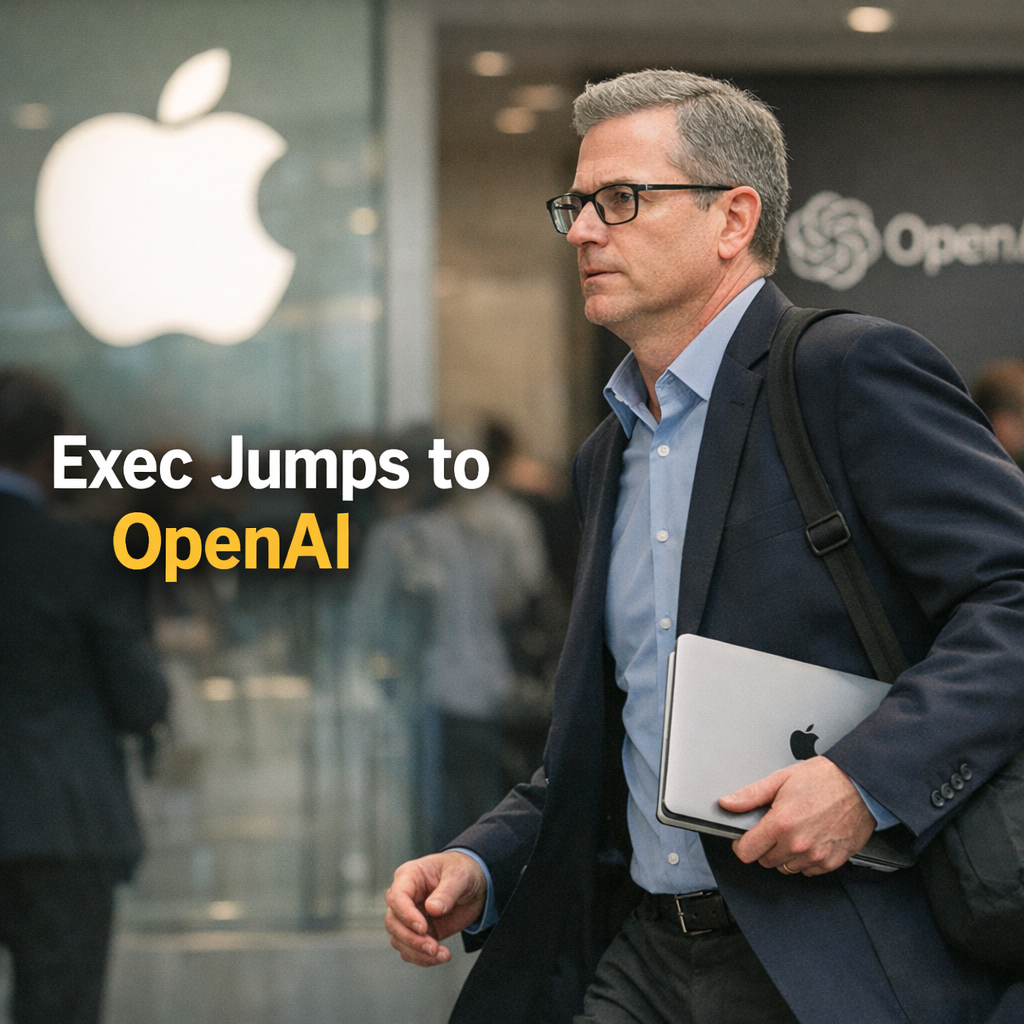
According to the official complaint, xAI asserts that Apple’s ongoing partnership with OpenAI—specifically Apple’s upcoming integration of ChatGPT features into iOS 18 and macOS Sequoia—unfairly blocks rival offerings and limits consumer choice.
“The outcome of this lawsuit could set critical precedents for how AI tools and LLMs are integrated into consumer platforms.”
Musk’s legal team points to Apple’s exclusive deal with OpenAI as a strategy that may violate antitrust laws by cementing OpenAI’s dominance over AI-driven messaging and content-generation functions for hundreds of millions of devices. Multiple media outlets, including The Verge and Reuters, report the lawsuit also covers Apple’s reluctance to support third-party AI alternatives in its ecosystem.
Analysis: Industry Impact and Emerging Trends
The legal clash marks a pivotal moment for the generative AI market:
- For AI Developers: Increased legal scrutiny could limit default ecosystem access for AI startups, pushing developers to focus on open interoperability and transparent model documentation.
- For Startups: Exclusive deals like Apple’s can stifle innovation—startups must strategize around new barriers, explore cross-platform integrations, and build value beyond baseline LLM capabilities.
- For Enterprise AI Professionals: Enterprises should monitor regulatory shifts related to AI data access, privacy concerns, and potential changes in App Store and platform policies as a result of this and similar challenges (Forbes and CNBC note that antitrust regulators have already begun probing comparable deals).
“Monopolistic control over AI access in major operating systems may soon force new disclosure and interoperability norms industry-wide.”
What Happens Next?
Legal experts expect the case could spur a new wave of antitrust enforcement targeted at AI partnerships and access to LLMs. According to industry analysis from CNBC, regulators globally are seeking clarity on whether tech giants are using platform dominance to favor preferred AI partners.
The decision in this case may drive Apple, OpenAI, Google, and Microsoft to establish more transparent, competitive avenues for integrating generative AI models.
While Apple and OpenAI have not responded publicly with detailed counters, court filings suggest Apple contends its integrations remain opt-in and privacy-centric, and OpenAI argues collaboration ensures safe AI development at scale. Still, AI professionals should expect stricter examination of exclusivity and interoperability in upcoming software updates and developer frameworks.
“This case may be only the beginning of broader legal and regulatory conversations about who controls mainstream access to generative AI.”
Implications for the AI Community
xAI’s lawsuit reflects a growing concern that platform gatekeeping can curb the creative potential of the entire generative AI ecosystem. Developers should advocate for open standards, transparent APIs, and accountable moderation in deployment strategies.
Startups must closely watch developments and identify nontraditional pathways to reach users. Enterprises and IT leaders must prepare to update compliance and risk frameworks as case law evolves.
As generative AI becomes further embedded in consumers’ daily workflows, these legal precedents will deeply influence how quickly and freely innovative tools can emerge.
Source: TechCrunch