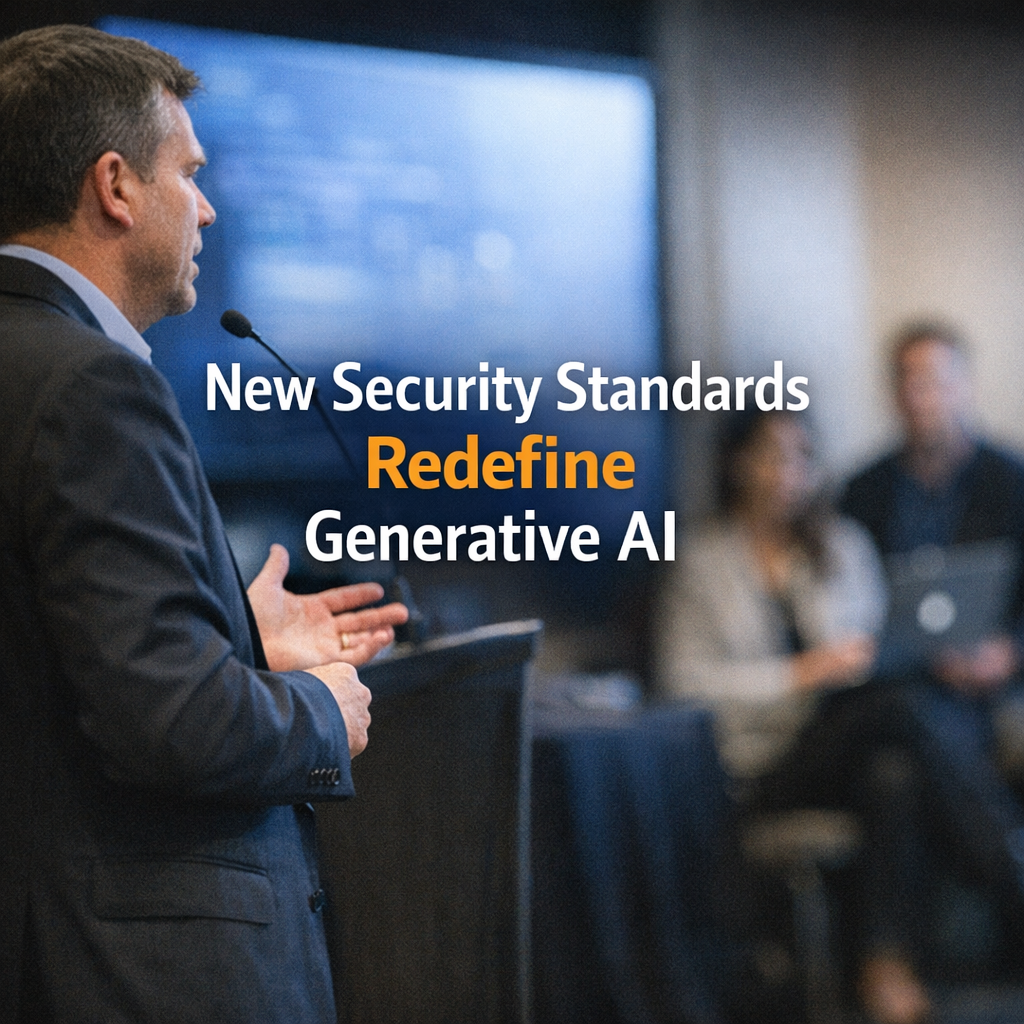
Singapore has unveiled the world’s first Agentic AI governance framework, marking a pivotal moment for AI, LLMs, and overall generative AI oversight in real-world contexts. This move, aimed at enabling enterprises and governments to operationalize responsible AI practices, comes as global demand for robust AI regulation intensifies. The framework sets new requirements for trustworthy AI, drawing attention across ASEAN and internationally.
Key Takeaways
- Singapore released the world’s first Agentic AI Governance Framework, focusing on the operationalization of trustworthy AI systems, especially agentic models.
- ASEAN leaders gathered at the ARMOR event to align on regional AI standards and cross-border cooperation.
- The framework directly targets emerging risks posed by autonomous and agentic generative AI, guiding responsible development and deployment.
- This regulatory milestone impacts developers and startups, setting precedent for other regions to follow and adapt similar policies.
Unpacking Singapore’s Agentic AI Governance Framework
Singapore’s Agentic AI Governance Framework addresses a clear industry gap: the lack of operational guidelines for increasingly autonomous AI agents and LLM-driven decision-making systems. The framework was announced at the ASEAN Responsible and Open Meta Summit (ARMOR), drawing participation from state leaders, policymakers, and tech innovators across Southeast Asia.
Singapore’s Agentic AI Governance Framework sets global precedent for regulating autonomous AI, balancing innovation with accountability.
Framework Objectives and Key Features
Singapore’s new AI governance guidelines target four main areas:
- Transparency: Requiring developers to provide visibility into agent decision processes, data provenance, and system boundaries.
- Accountability: Mandating clear human oversight, escalation plans, and logs for autonomous decisions.
- Safety and Security: Enforcing rigorous risk assessments, adversarial testing, and continuous monitoring of generative AI systems.
- Interoperability: Facilitating alignment between regional and global AI standards for seamless cross-border collaboration.
The framework intends to serve as a practical toolkit for enterprises. It enables organizations to integrate agentic AI responsibly without stifling innovation or operational efficiency.
Developers and AI startups must adapt quickly to Singapore’s new operational requirements or risk lagging behind in compliant AI deployment.
Implications for the AI Ecosystem
This governance model strengthens Singapore’s position as a global AI hub, attracting multinational tech investments while providing a structured landscape for startups. For developers building generative AI and LLM-based tools, these requirements clarify compliance pathways and highlight the need to build robust documentation and safety layers from the start.
The framework is expected to influence broader Southeast Asian digital policy, as neighboring nations look to Singapore’s example for cross-border harmonization. Global AI leaders such as OpenAI, Google, and Microsoft have advocated for proactive regulatory approaches; Singapore’s move aligns with these calls and may inspire similar standards in Europe, North America, and beyond.
Enterprises investing in agentic AI must integrate responsible governance upfront—retroactive compliance will cost more and build in risk.
Next Steps for Developers, Startups, and Professionals
Tech professionals should closely review the operational guidelines and assess current deployments for alignment. Building compliance into product design and model monitoring will help prevent costly rework later. Startups entering the AI market in Southeast Asia should leverage Singapore’s framework as both a competitive differentiator and a blueprint for responsible scaling.
As agents become more autonomous, tooling for explainability, robust audit trails, and responsible continuous learning will move from optional to standard. The race is now on to build the best-in-class compliant frameworks, libraries, and developer support for agentic AI.
Global Context and Forward-Looking Signals
Singapore’s initiative arrives as the EU finalizes its own AI Act and nations like the US debate regulatory regimes focused on generative models. Comparisons with China’s AI policy (as reported by South China Morning Post) underscore the urgency to establish clear, interoperable rules.
The next frontier? Driving international consensus and shared baselines for trustworthy AI, while empowering local innovation. Singapore’s framework offers a concrete leap in this direction and is poised to accelerate responsible generative AI adoption worldwide.
Source: PR Newswire