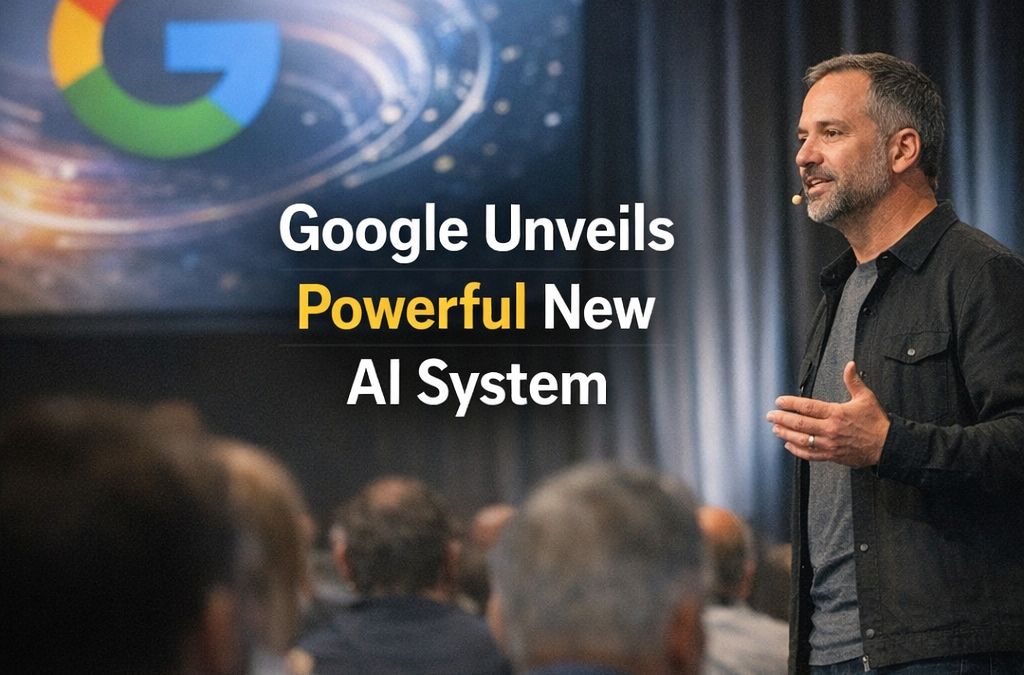
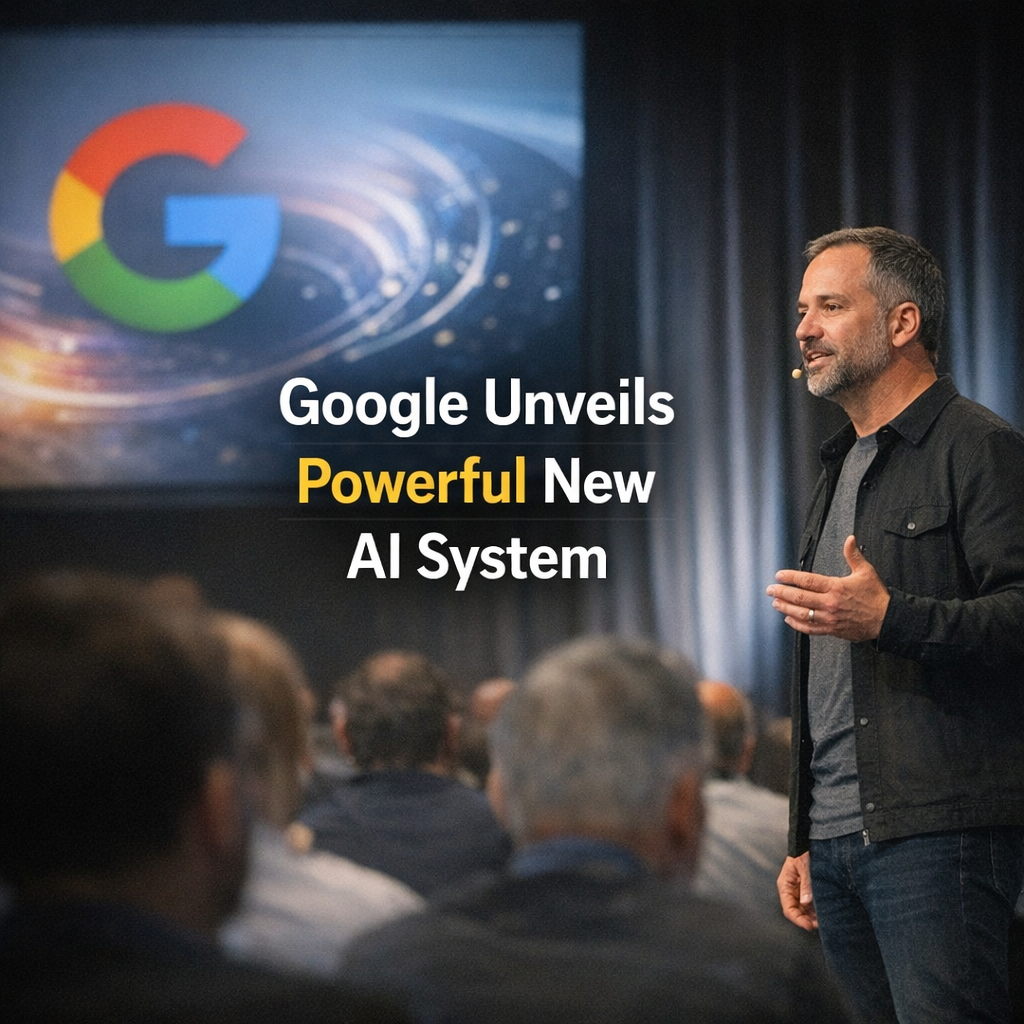
Google has rolled out significant updates to Workspace, integrating advanced generative AI features across Gmail, Docs, Sheets, and other tools. This enhanced suite is designed to serve as a digital office intern, streamlining workflows and giving developers, startups, and enterprises sharper productivity tools powered by leading-edge large language models (LLMs).
Key Takeaways
- Google Workspace now features robust generative AI tools, automating tasks across email, documents, and spreadsheets.
- New integration moves Google toward positioning Workspace as a full-fledged AI assistant, not just a productivity platform.
- Developers and startups can leverage these enhancements via expanded APIs and toolkits for faster integration of generative AI in business apps.
How Google’s AI Push Transforms the Modern Workspace
Google’s latest Workspace update embeds generative AI deeply into daily office workflows. The upgraded suite brings smart writing suggestions in Gmail and Docs, spreadsheet formula generation in Sheets, and actionable summaries for meetings in Google Meet. Users now interact with AI for everything from composing complex emails to generating entire project proposals.
“Google Workspace’s AI upgrades signal a fundamental shift: AI is set to graduate from helpful assistant to mission-critical collaborator across digital offices.”
Analysis: What Sets Google’s Approach Apart?
Unlike ad hoc AI features implemented elsewhere, Google Workspace’s integration is both holistic and highly contextual. According to TechCrunch and The Verge, these improvements leverage Google’s proprietary LLMs, aiming for precise, real-world utility, not just AI novelty. The system can adapt its outputs to specific company data, policies, and preferences, aligning with enterprise-grade security controls.
Additionally, Google has opened up new AI APIs and workflows, enabling developers to build custom automations directly within the Workspace environment. TechCrunch notes that Google intends for Workspace to become the foundation for office AI innovation—essential for startups wanting to prototype, scale, and launch AI-driven productivity features fast.
Broader Context: Race for Enterprise AI Domination
This update places Google in direct competition with Microsoft Copilot, Anthropic’s Claude integrations, and OpenAI’s enterprise software plays. Multiple sources, including CNET and The Verge, spotlight Google’s unique long-term advantage: seamless integration with its existing cloud ecosystem and unparalleled reach among businesses already locked into Workspace.
“By embedding LLM-powered features across Workspace, Google aims to centralize AI-powered productivity for millions, shaping how future offices collaborate and create.”
Implications for Developers, Startups, and AI Professionals
- Developers can now exploit comprehensive AI-powered APIs, enabling rapid deployment of automation and generative solutions within popular office tools.
- Startups building in the productivity SaaS space have unprecedented opportunities to leverage Google’s AI infrastructure, cutting development time and accessing enterprise markets faster.
- AI professionals will find Google’s evolving Workspace an accelerated proving ground for applied LLM innovation, offering robust datasets and real user feedback loops for continual improvement.
Looking Ahead
As Google continues to evolve Workspace from a straightforward productivity suite to a dynamic, generative AI-powered platform, the strategic move raises the stakes in the battle to define AI-driven productivity. For anyone invested in generative AI trends or building enterprise AI applications, Google Workspace’s new capabilities constitute a milestone worth watching.
Source: TechCrunch
Additional sources: The Verge, CNET