As the AI field evolves, the challenge of detecting machine-generated content grows in urgency. Anthropic’s latest announcement pulls back the curtain on a unique watermarking system designed for its Claude large language models (LLMs)—and the implications for AI transparency, content authentication, and digital trust are significant. With regulation heating up, understanding and verifying the origins of generative AI outputs has never been more important for developers, startups, and enterprises relying on these models.
- Anthropic unveils technical details for Claude’s new watermarking feature
- Watermarking enables reliable attribution of AI-generated text
- This move may set a precedent for compliance with upcoming AI regulations
- Tools to identify LLM output help mitigate misinformation and AI misuse
Key Takeaways: Why Anthropic’s Watermarks Matter
Anthropic is stepping up with a watermarking solution engineered to verify and trace AI-generated output. Rather than relying on pattern analysis or behavioral clues, this system embeds cryptographically robust signatures within text generated by Claude models.
Verifiable watermarks make AI output auditing far more effective, offering new defenses against deepfakes and misuse.
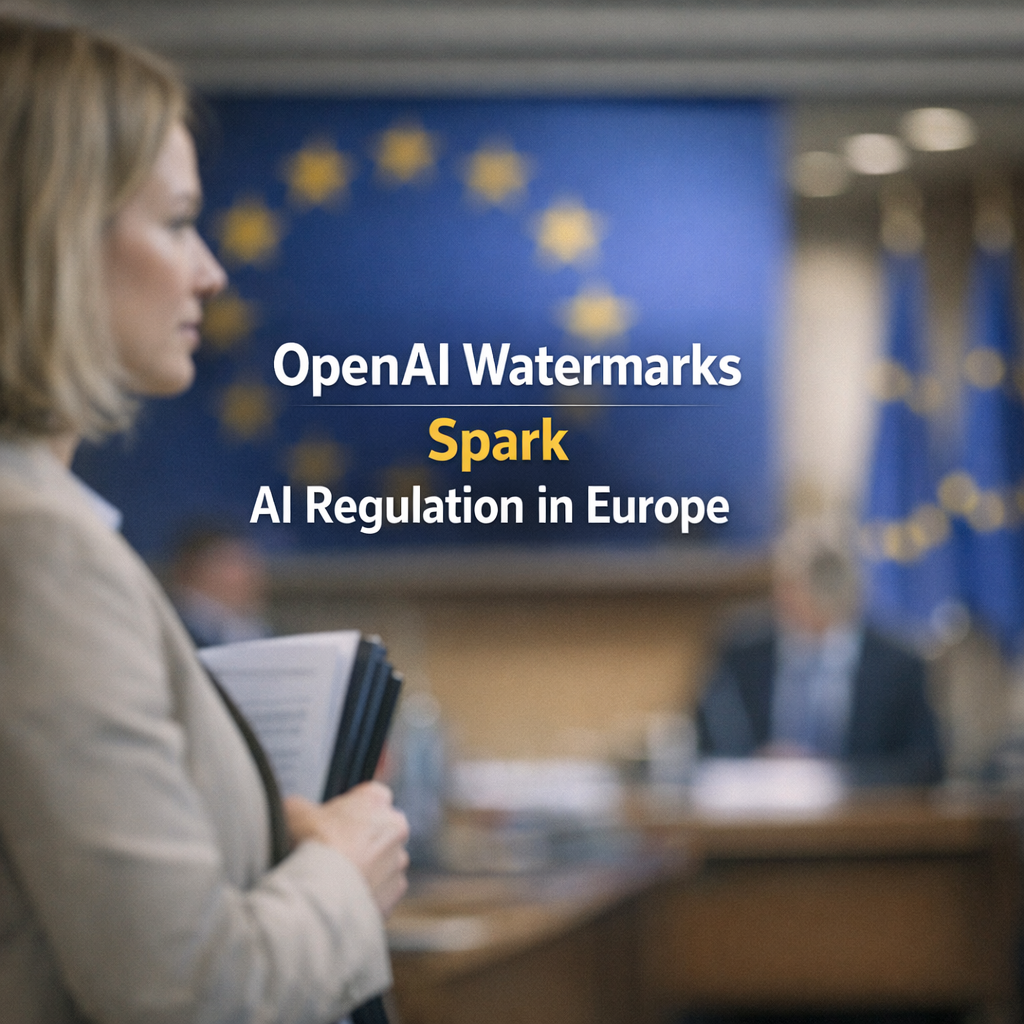
For developers integrating generative AI, these advancements open opportunities for building more trustworthy systems. As regulatory demands for provenance grow worldwide, such as the EU AI Act’s transparency requirements, early adoption of watermarks could soon be non-negotiable.
Inside Anthropic’s Watermarking Approach
Unlike old-school detection tools that hunt for linguistic oddities or statistical signals, Anthropic’s method implants a mathematically encoded marker that persists within generated sequences. This digital signature functions imperceptibly to readers but can be flagged by authorized tools, letting anyone verify the origin of a piece of text.
This tamper-resistant approach to watermarking stands to outlast simple style-based detection, which grows less reliable as LLMs advance.
Watermarking has long been sought by the AI community. While OpenAI and Google have tested similar features—such as OpenAI’s previously scrapped classifier and Google’s SynthID for images—Anthropic is among the first to share technical insights into how watermarking on text may work in production for LLMs. According to the company, the Claude watermark is robust to common editing techniques, offering resilience against basic copy-paste or paraphrasing efforts to scrub attribution.
Implications for Startups, Developers, and Enterprises
For builders, the ability to programmatically verify AI-generated content addresses multiple market pressures: labeling generated articles, thwarting academic plagiarism, authenticating customer interactions, and even controlling content licensing and reuse.
Enterprises facing regulatory scrutiny may soon need to prove the source of every automated message, chatbot response, or AI-powered report. These watermarking advances provide a pathway toward maintaining control and transparency at scale.
The coming wave of AI regulation will reward early adopters who prioritize content provenance and robust audit trails.
Technical and Competitive Impact
Anthropic’s move positions Claude to compete directly with other leading enterprise AI offerings, especially as customers demand higher levels of compliance support. The company’s willingness to disclose technical detail could accelerate broad industry adoption and standard-setting, as it allows others to test, validate, or interoperate with similar watermarking schemes.
This technical transparency could also ease third-party development of detection tools, increasing overall trust in generative AI ecosystems and encouraging responsible deployment.
The Road Ahead: Raising the Bar for AI Trust
The escalation of generative AI regulation is only beginning. Anthropic’s watermarking announcement signals a growing industry consensus: content authenticity and trackability are foundational to AI’s safe, trustworthy integration across industries.
Watermarking AI text is fast becoming a baseline expectation, not a luxury, in achieving regulatory-ready and trustworthy automation.
Startups and developers who move now to integrate such solutions may avoid future compliance headaches—and will help shape the standards that will define responsible AI for years to come.
Source: TechCrunch