As school districts globally weigh the promise and perils of generative AI, New York City’s recent decision to ban AI technology in public schools signals a pivotal shift for educators, developers, and AI professionals alike. This policy, set to take effect in the new academic year, affects not just the 1.1 million-student system but also the tech companies and startups weaving AI into educational products. At stake are critical questions about equity, data security, and how the next generation learns to co-exist with intelligent machines.
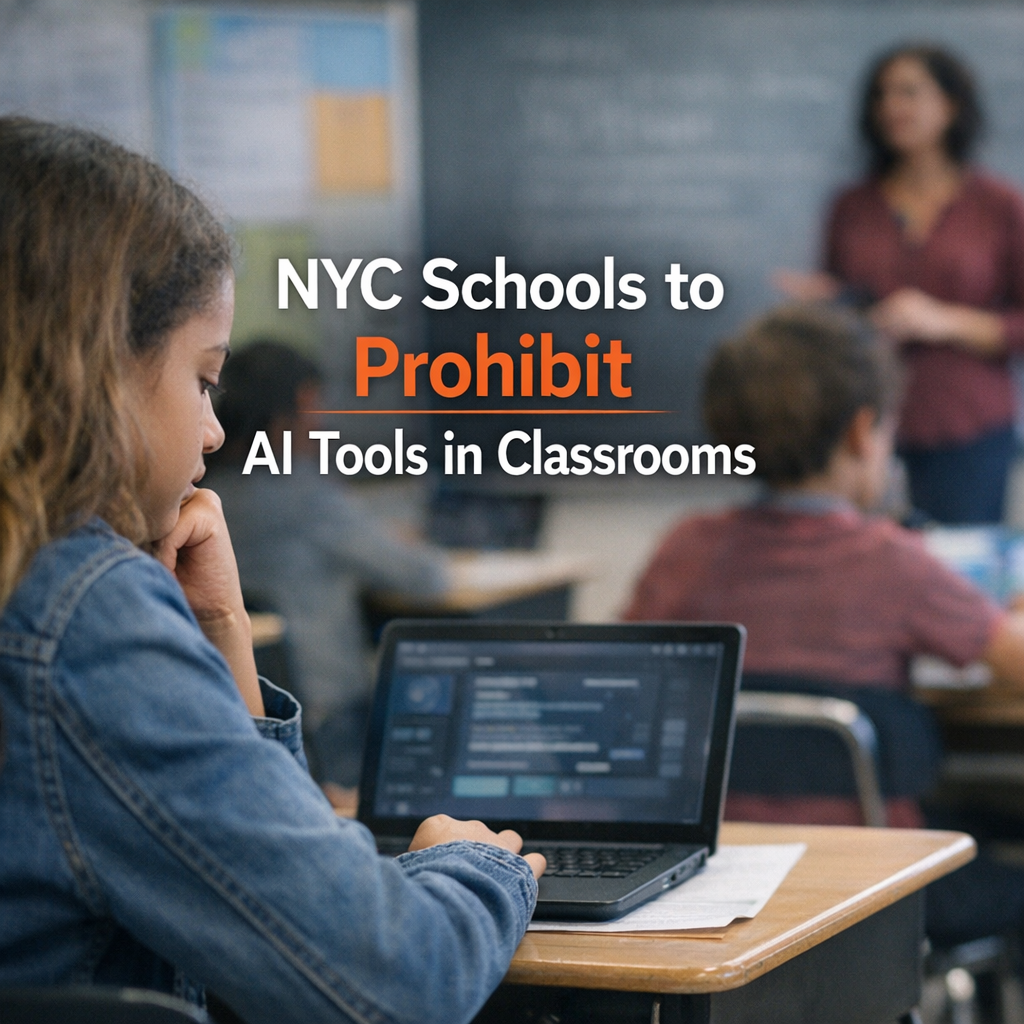
- New York City schools will prohibit student use of generative AI tools starting next year.
- Educators and tech leaders debate the impact on digital literacy and classroom equity.
- AI companies targeting education face mounting regulatory scrutiny and new technical requirements.
- Startup founders must reconsider product-market fit as school procurement policies shift.
Key Takeaways
New York City’s AI school ban isn’t just a local policy; it acts as a bellwether for educational systems navigating generative AI. Developers now face tightened restrictions in a previously eager market, while school leaders must balance innovation with the risk of academic shortcutting. Tech vendors and AI startups eyeing the education sector must rapidly adapt business strategies in response to new regulatory headwinds.
“When the largest city in the US draws a clear line on AI in classrooms, every edtech founder and AI architect is put on notice—innovation must come with built-in safeguards.”
Why Did NYC Take This Path?
New York City public schools will enforce a ban on AI tools—including popular LLM-based applications—citing academic integrity concerns, potential for cheating, and inadequate guardrails for student data privacy. By explicitly restricting the use of generative AI, including text, image, and code synthesis models, NYC aligns with a rising trend among US districts implementing stopgap measures as policymakers race to develop more nuanced guidelines.
This move follows mounting reports from educators nationwide of students using AI-powered apps to complete essays or assignments undetected. School administrators worry that unregulated AI access can erode critical thinking skills and widen digital divides between students with varying tech literacy.
“Districts face a high-wire act—encouraging digital skills while blocking shortcuts that undermine educational growth.”
What This Means for Developers and AI Startups
Edtech companies building on large language models (LLMs) or offering generative AI integrations must now confront stricter procurement standards and more skeptical school buyers. Tools previously promoted for aiding lesson planning, personalized tutoring, or automating administrative tasks can find themselves locked out unless they demonstrate robust privacy, transparency, and academic integrity safeguards.
Startups that sold educators on AI-driven efficiency may face serious challenges to sustained revenue growth, especially those whose core value proposition relies on student-facing generative AI features. Adaptation could mean shifting to teacher-assistive solutions, focusing on back-office workflows, or pivoting to compliance-focused features such as AI usage reporting and audit trails.
The policy may also slow classroom pilots and research partnerships with NYC schools, stymieing access to real-world user feedback critical to iterating AI-driven products for education.
“Startups now need to build for a world where regulatory compliance comes before classroom hype.”
National Trends and Regulatory Backdrop
New York City’s policy arrives as other urban districts, notably Los Angeles and Chicago, also review or limit generative AI use following an uptick in plagiarism and student data exposure via AI chatbots. Though some regions continue experimenting with controlled AI rollouts—like Miami’s opt-in piloting of LLMs for lesson summaries—the regulatory climate signals increasing skepticism of unfettered access.
Meanwhile, federal and state lawmakers, encouraged by the Biden administration’s AI executive order and proposed student privacy reforms, move to clarify legal obligations for data handling, model transparency, and ethical AI deployment in learning environments. Tools claiming FERPA compliance or offering parental consent features now gain additional scrutiny from district procurement officers and compliance professionals.
“The days of easy experimentation with generative AI in schools may be numbered—regulatory oversight is evolving as fast as the technology itself.”
Implications for Equity and Digital Literacy
AI’s promise to democratize access to personalized learning clashes with fears that bans may deepen inequities. Students without at-home access to safe, reliable AI tools could be left behind, while others may turn to unregulated platforms outside official curricula. This highlights the urgent need for school-driven digital literacy training and collaboration between developers and educators to design accessible, equitable AI tools.
AI professionals and education stakeholders continue advocating for nuanced policies—rather than blanket bans—that incorporate teacher training, student safeguards, and transparent AI use policies. Some suggest tiered access to AI tools, depending on grade level or subject, paired with robust monitoring to address both innovation and integrity.
“Only a collaborative approach—combining technical safeguards and thoughtful curriculum design—will ensure AI benefits all learners, not just a privileged subset.”
Looking Ahead: Navigating a High-Stakes Transition
New York City’s AI tool ban will spark urgent conversations among developers, founders, and policymakers about the responsible future of generative AI in education. Whether this is a temporary pause or a sign of stricter, lasting controls, the decision forces the industry to prioritize trust and transparency. As the generative AI landscape matures, success for both edtech startups and school districts will require flexible architecture, ongoing dialogue, and proven safeguards that put student learning and privacy first.
Source: ABC 7 NY