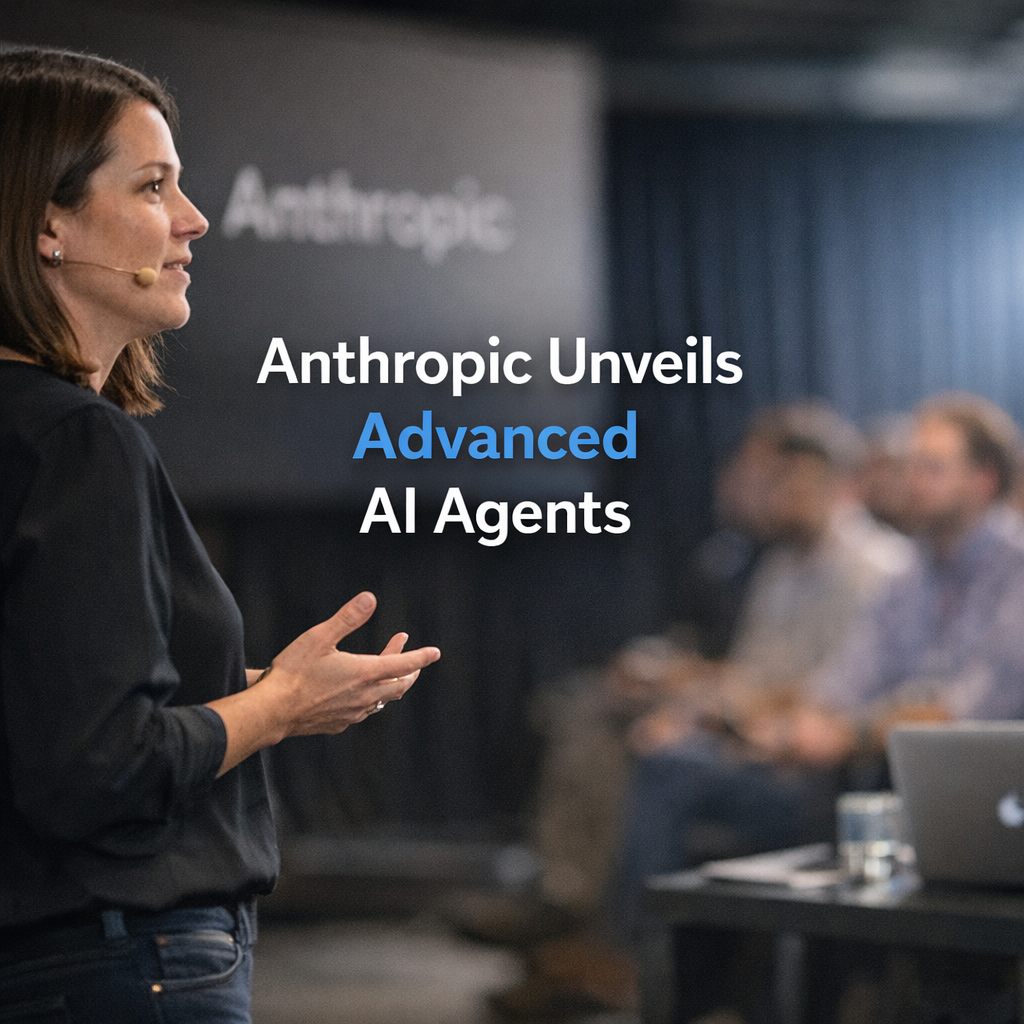
With the generative AI race heating up, Anthropic has launched Claude 3.5 Sonnet—its most advanced AI model yet—alongside two new developer features: “Artifacts” and “Console.” As LLMs become core infrastructure for startups and enterprises alike, understanding the capabilities of this release is crucial for anyone building on top of foundation models.
- Claude 3.5 Sonnet promises better reasoning and code generation than GPT-4o, surging ahead on key benchmarks.
- The new “Artifacts” feature in Claude enables persistent, interactive outputs—reshaping how apps use AI for dynamic content.
- Anthropic’s “Console” offers developers a UI reminiscent of ChatGPT’s “Playground”, designed for prototyping and prompt engineering.
- Pricing and performance changes alter the competitive landscape for startups selecting LLM APIs.
- Claude 3.5’s release signals a trend toward rapid, iterative LLM deployment in the generative AI industry.
Key Takeaways
Anthropic’s Claude 3.5 Sonnet doesn’t just play catch-up—it sets a benchmark in multi-step reasoning, code generation, and real-world task performance. Head-to-head with OpenAI’s GPT-4o, the new model delivers faster outputs while undercutting on price for many use cases. Developers benefit from “Artifacts,” which let Claude generate live documents, diagrams, or code components that persist and update as the conversation progresses—a leap from static chat outputs. The new “Console” UI streamlines rapid prototyping for AI-powered workflows, reducing friction for engineering teams.
“Anthropic’s latest model pushes LLMs into territory where persistent, interactive AI artifacts shift how developers build, deploy, and iterate their products.”
Claude 3.5 Sonnet vs. GPT-4o: The Race for Language Model Supremacy
OpenAI set the pace with GPT-4o’s blend of fast inference, low cost, and broad accessibility. Anthropic now raises the bar with Claude 3.5 Sonnet, claiming performance parity or superiority on benchmarks like GSM8K (math), HumanEval (code), and MMLU (multitask language understanding).
Early testing shows Claude 3.5 Sonnet scoring 90.2% on GSM8K and 88.7% on HumanEval, a meaningful bump over earlier Claude models and squarely rivaling GPT-4o. For developers, this means more reliable tool use, better handling of nuanced reasoning tasks, and fewer “hallucinations.” In practical terms, applications from coding copilots to generative enterprise search receive a real boost in rigor and flexibility.
“Incremental improvements in code and knowledge benchmarks aren’t academic—they unlock real productivity wins for AI builders and end-users alike.”
“Artifacts”: Moving from Chatbots to Collaborative AI Workspaces
Most LLM apps spit out answers that quickly fade from context. Anthropic’s “Artifacts” flips that dynamic by letting users and apps generate live, persistent content—documents, whiteboards, code snippets, and more—that evolve as the AI is prompted. “Artifacts” represent a major leap for any startup building collaborative or creative tools: users see output update in real-time, review it, and iterate directly against the AI’s latest “living” response.
Developers can now design workflows in which Claude 3.5 Sonnet not only answers questions, but maintains and acts on complex, multi-step artifacts—ranging from product specs to executable code blocks. This persistent context paves the way for next-gen productivity platforms, creative studios, and even AI-augmented IDEs.
“Persistent AI artifacts bridge the gap between static answers and dynamic, ongoing collaboration—a critical shift for serious enterprise workflow automation.”
Developer Console: Lowering the Barrier for AI Prototyping
Anthropic’s new Console positions itself as an essential tool for AI engineers, much like OpenAI’s Playground. By providing interactive prompt experimentation, robust debugging, and live model selection, the Console shortens the path from idea to production for teams leveraging Claude APIs.
With integrated support for deploying and testing “Artifacts,” the Console offers a streamlined experience previously missing from Anthropic’s ecosystem. This enhancement is likely to accelerate adoption, especially among teams frustrated by friction found in less polished LLM toolchains.
Pricing, Availability, and Ecosystem Impact
Claude 3.5 Sonnet launches at $3 per million input tokens and $15 per million output tokens—a significant undercut of prior releases and notably cheaper than some comparable GPT-4 API tiers. The model is now live in Anthropic’s paid web app, via the API, and on Amazon Bedrock, with plans for a Pro-tier mobile rollout soon. Wider access and cost savings could nudge budget-conscious startups—and even larger enterprises—to re-evaluate their model provider choices.
Additionally, Anthropic plans to quickly follow with “Haiku” and “Opus” variants of Claude 3.5, offering lighter and heavier versions tuned to different latency and budget needs. This iterative, modular release model mirrors the industry’s broader turn toward continuous AI improvement.
“Lower API costs and rapid update cycles tighten the feedback loop between LLM providers and the developer ecosystem, spurring faster adoption and innovation.”
Outlook: A New Paradigm for Generative AI Platforms?
The arrival of Claude 3.5 Sonnet, paired with persistent “Artifacts” and a modern development Console, signals a shift in how LLM platforms position themselves—not just as chatbots, but as engines powering interactive, collaborative, and autonomous app features. Expect competitors like OpenAI and Google to accelerate similar workspace and prototyping capabilities as the demand for LLM-powered, enterprise-grade tooling expands.
For startup founders, AI professionals, and engineering teams, Anthropic’s launch outlines clear priorities for the next wave of generative AI products: stateful collaboration, seamless developer experience, affordability, and relentless iteration. The winners in this space will likely be those who translate raw LLM horsepower into practical, persistent tools for meaningful work.
“As LLMs grow more context-aware, interactive, and affordable, they will evolve from chat assistants to core components of tomorrow’s most ambitious software products.”
Source: Anthropic