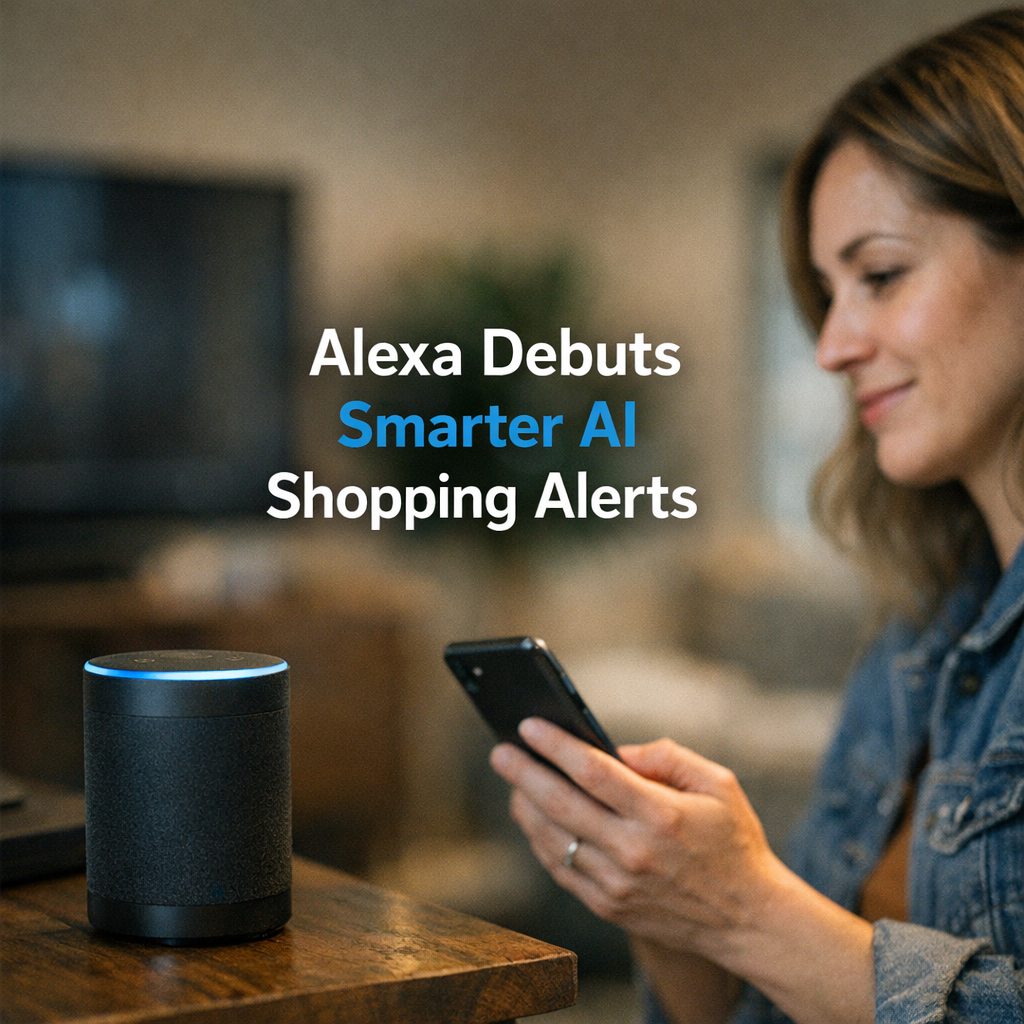
Smart home assistants are rapidly evolving, and Amazon’s Alexa just took another leap: leveraging generative AI to alert users about new products that fit their interests and potentially tempt them to shop. As tech giants race to blend LLM innovations with commercial applications, this update signals a major shift in how AI-driven recommendations will target consumers — and what that means for developers building voice-first experiences. With generative AI reshaping every aspect of e-commerce and smart device integration, businesses and builders must pay attention to how platforms like Alexa redefine engagement and conversion strategies.
- Amazon introduces generative AI-powered shopping alerts to Alexa
- LLM technology enables personalized, context-aware product suggestions
- Developers gain new APIs for recommendation and notification features
- Brands face opportunities and challenges as voice commerce gets smarter
Key Takeaways
Amazon’s Alexa now leverages generative AI and large language models (LLMs) to notify users of new products tailored to their preferences. This marks a step forward for personalized shopping, giving both end-users and developers a more dynamic, voice-driven e-commerce experience. The update also presents a new set of technical opportunities and privacy considerations for startups integrating with Alexa’s expanding ecosystem.
“Generative AI is rapidly transforming home assistants from reactive tools to proactive, personalized shopping companions. Alexa’s latest upgrade exemplifies just how powerful LLMs are becoming in shaping both what consumers see and how they interact with brands.”
Alexa Moves Into AI-Driven Commerce
The new Alexa feature empowers the assistant to proactively inform users about fresh items aligned with their historical interests and shopping behaviors. Amazon’s implementation relies heavily on LLMs that parse user profiles, purchase data, and contextual preferences — going far beyond generic recommendations. Users will receive notifications (for example, through Echo devices or in-app) when Alexa detects product launches or deals that might intrigue them based on evolving generative AI profiles.
How Developers Can Leverage New Capabilities
Amazon is opening up new APIs and developer tools enabling third-party skills to plug into these generative AI-powered alerts. Developers can now create experiences where notifications are triggered not just by explicit user requests but by Alexa’s ongoing AI-driven analysis of user intent and context. These advancements empower apps to offer smarter, real-time suggestions in the home, potentially increasing customer engagement and conversion rates across Alexa-enabled ecosystems.
“For AI professionals and startups, Amazon’s move unlocks a new frontier—real-time, generative dialog triggers that surface commerce opportunities just when users are most receptive.”
Evolving User Expectations and Privacy Concerns
As Alexa’s notifications grow more tailored, the line between helpful recommendation and intrusive targeting becomes less clear. Amazon assures users of opt-in controls and transparent notification settings, but the sheer depth of personalization promises to spark fresh debate over consumer data and privacy. For brands, this raises stakes: highly targeted alerts could boost sales, but mishandled personalization risks user trust and regulatory scrutiny.
Industry Implications and Competitive Moves
Amazon’s upgrade comes amid heightened competition in voice AI and smart home commerce. Google Assistant and Apple’s Siri are also exploring deeper generative AI integrations, yet Alexa’s proactive shopping alerts put Amazon ahead in the race to monetize voice interactions. Retailers and D2C brands now face both an opportunity—richer, contextual engagement—and a challenge—standing out as Alexa prioritizes relevance and quality in AI-powered product notifications.
“The voice assistant landscape is entering a new epoch—one where AI not only listens but actively curates each user’s digital storefront, blending utility and commerce in real time.”
What This Means for AI, Retail, and Developers
Amazon’s embrace of generative AI within Alexa fundamentally changes the smart home and retail playbook. Developers should prepare for more AI-driven APIs and tighter voice-platform integration. AI professionals must understand new notification models and edge use cases, especially as context sensing gets smarter. Brands should consider ethical, permission-driven targeting to deepen relationships without eroding trust. As LLMs make voice commerce more adaptive and proactive, those who innovate responsibly will set the pace for the AI-powered home of the future.
Source: TechCrunch