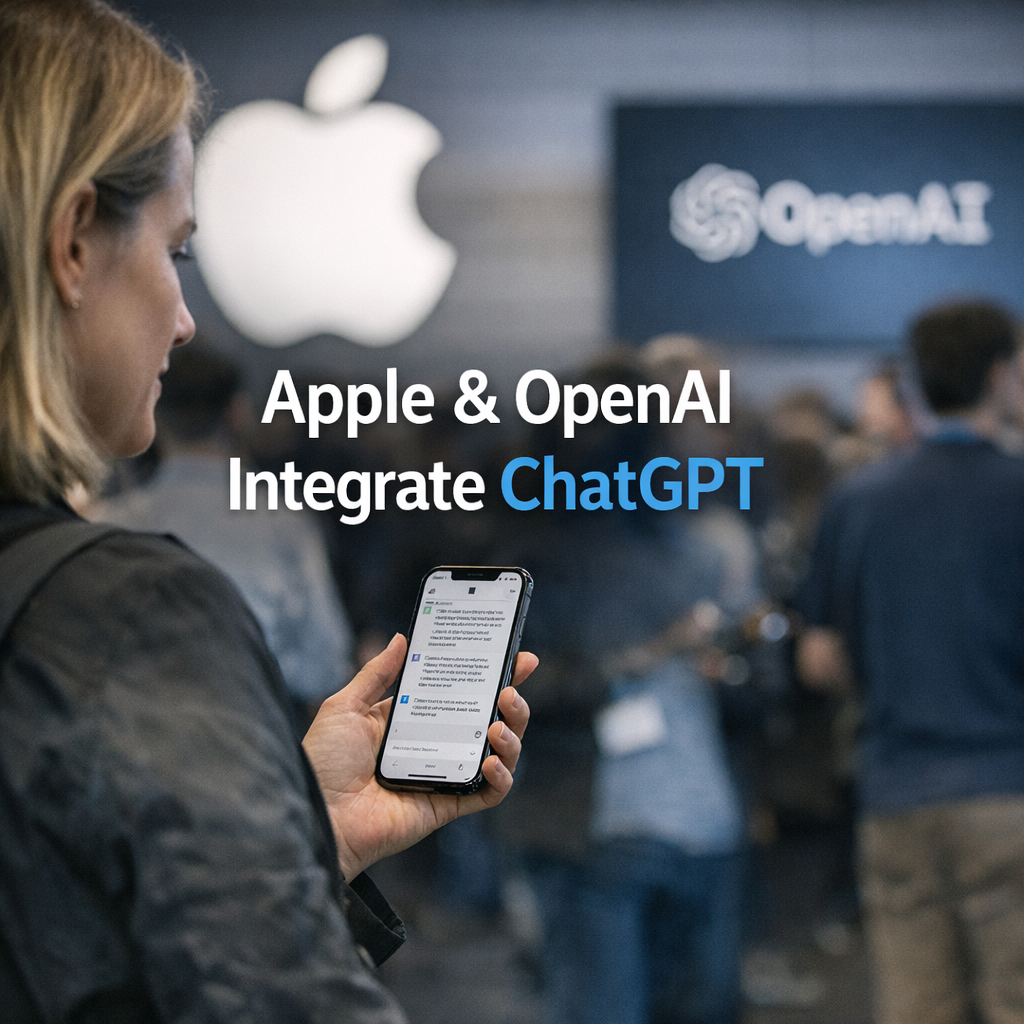
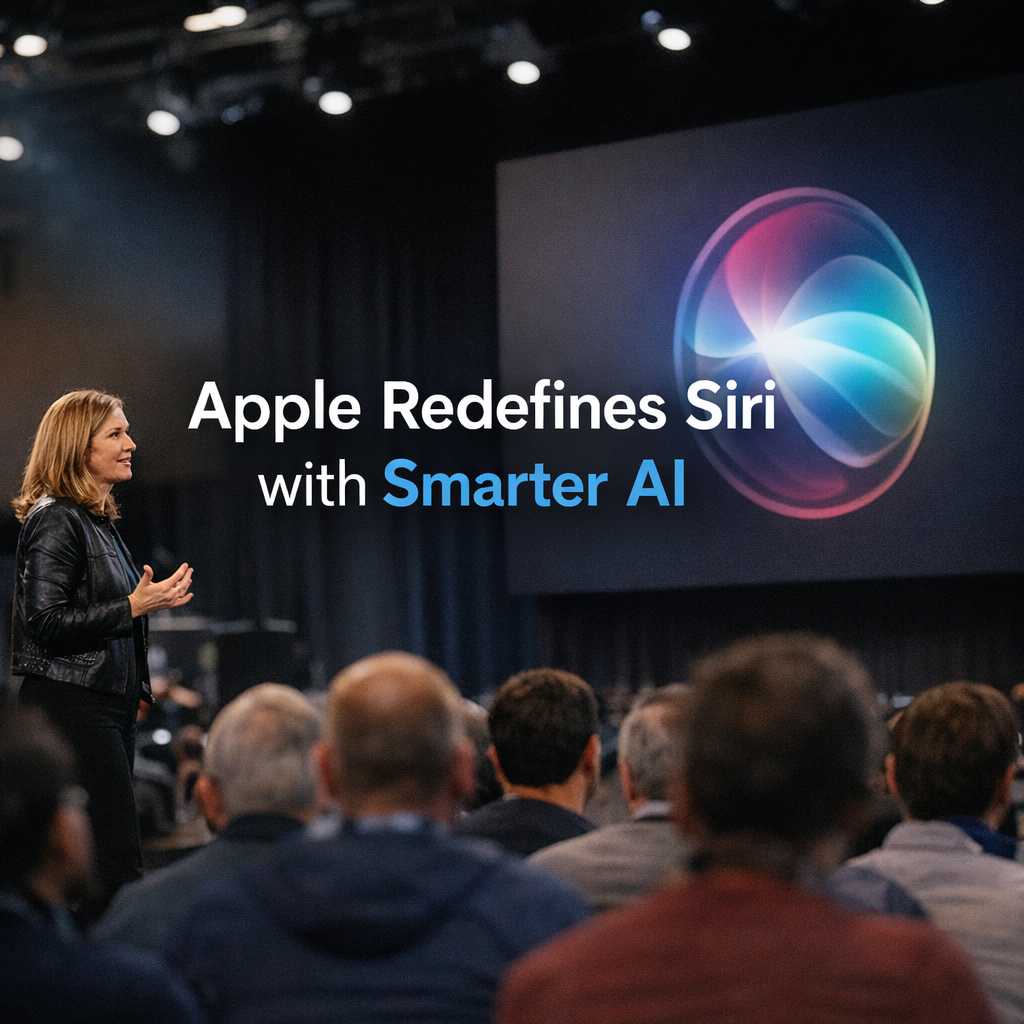
When OpenAI announced a closer partnership with Apple at WWDC 2024, the fusion of Apple’s consumer reach with ChatGPT’s generative AI power sent ripples across the technology landscape. This landmark integration arrives as users and developers alike seek more seamless, private, and capable AI tools within their everyday devices. With Apple now weaving ChatGPT directly into iOS 18, macOS Sequoia, and iPadOS 18, the implications span far beyond smarter virtual assistants—they signal a shift in how developers, startups, and the wider AI industry must think about platform-driven innovation.
- Apple is embedding ChatGPT into key system features across iOS, iPadOS, and macOS.
- Users can interact with ChatGPT for free—no separate account required for basic queries.
- Privacy safeguards mean Apple won’t access user requests handled by ChatGPT.
- Developers gain fresh opportunities to build AI-enhanced experiences for Apple devices.
- The partnership signals deeper mainstream adoption of LLMs and generative AI services.
Key Takeaways
Apple’s OpenAI integration isn’t just about convenience—it redefines what consumers and developers can expect from on-device AI. By making ChatGPT available across Siri, writing tools, and system features, Apple introduces a competitive dynamic that will intensify the race to deliver helpful, privacy-centric, generative AI solutions. As established applications and bold startups rethink their strategies, developers must adapt to a new era where AI comes standard in personal computing.
“The seamless merger of Apple’s hardware and OpenAI’s generative tech means that AI functionality is now a default, not an add-on, for millions of users worldwide.”
What the Apple-OpenAI Deal Means for Developers
For app creators and software engineers, Apple’s rollout of ChatGPT APIs and system-level integration shakes up the landscape. Now, developers can leverage LLM-driven features directly within Apple’s ecosystem, utilizing ChatGPT for content generation, summarization, and context-aware suggestions—all without forcing users to install external apps or set up separate accounts.
This presents a dual challenge and opportunity: established AI startups may need to differentiate more clearly or double down on niche use cases, while new developers have a direct onramp to advanced AI—boosting innovation but making differentiation even more critical.
“With ChatGPT natively available on iOS and Mac, third-party AI toolmakers must rethink how to provide unique value beyond baseline generative functions.”
Privacy-First AI: Apple’s Differentiator
Apple has signaled repeatedly that privacy remains a core principle, and this partnership is no exception. User queries sent to ChatGPT require explicit permission, and Apple states it will not access or store those requests or associated data. This approach contrasts sharply with typical cloud-based LLM access from other consumer platforms, where user data often flows freely to third-party servers.
This privacy-centric model could set a new bar for responsible AI deployment, making Apple devices especially compelling in regulated or sensitive industries such as healthcare, law, and education.
Free ChatGPT Access—and Its Limits
Apple users gain frictionless access to ChatGPT 4o at no cost for general requests. For power users, the system allows seamless authentication for Plus, Team, or Enterprise accounts within Apple’s framework. This two-tiered access blends consumer ease with opt-in advanced capabilities, a model likely to be emulated across the AI sector as mass-market generative AI matures.
“By lowering the barrier to everyday AI use—and shielding user privacy—Apple is making generative AI mainstream while setting itself up as the standard-bearer for ethical tech.”
The Race to Embed LLMs Everywhere
Apple’s move isn’t happening in isolation. Just weeks ago, Microsoft unveiled Copilot for Windows 11, and Google continues to expand Gemini throughout its ecosystem. Each of the big three is racing to make generative AI pervasive across their platforms—automating writing, boosting creativity, and surfacing smarter recommendations within operating systems and productivity apps.
OpenAI’s presence on Apple devices amplifies competition, but it also draws more developers into a broader conversation about LLM performance, responsible data use, and which platforms will define the next decade of AI-powered productivity.
“The integration stakes out the future of the OS: AI as a native, invisible partner embedded at every user touchpoint.”
Implications for Startups and AI Professionals
For startups and AI teams, Apple’s aggressive AI push forces a recalibration. Standalone apps built on LLMs must rethink their unique selling points—competing with native tools that offer similar or better features with built-in trust and security. However, the Apple-OpenAI alliance also opens new doors: developers gain API access to robust LLMs and can create novel, context-aware extensions for millions of Apple device users.
AI professionals working in health, business, or regulated sectors should pay close attention to Apple’s privacy guarantees and cross-device capabilities. These factors may tip major deals or integrations in favor of Apple-friendly solutions moving forward.
The Road Ahead: Apple Sets the Pace for Consumer AI
By embedding ChatGPT at the system level—and promising robust privacy—Apple is not simply joining the generative AI wave, it’s steering it. Expect rapid adoption as users and creators tap these tools to automate tasks, spark creativity, and streamline communication. The broader industry must now accelerate its own generative AI strategies, raising the stakes for privacy, user experience, and trusted AI outcomes across devices.
Source: Yahoo Tech