AI-driven code assistants are undergoing rapid transformation, with Meta’s latest launch pushing the envelope yet again. As generative AI and large language models (LLMs) mature, the industry faces an urgent challenge: helping developers make sense of sprawling, legacy codebases. Meta’s new agent, Muse Code, targets this gap head-on. This unveiling comes as startups, tech giants, and open-source advocates accelerate the race to automate code comprehension, refactoring, and even autonomous bug fixing—all powered by specialized AI systems trained for software engineering tasks.
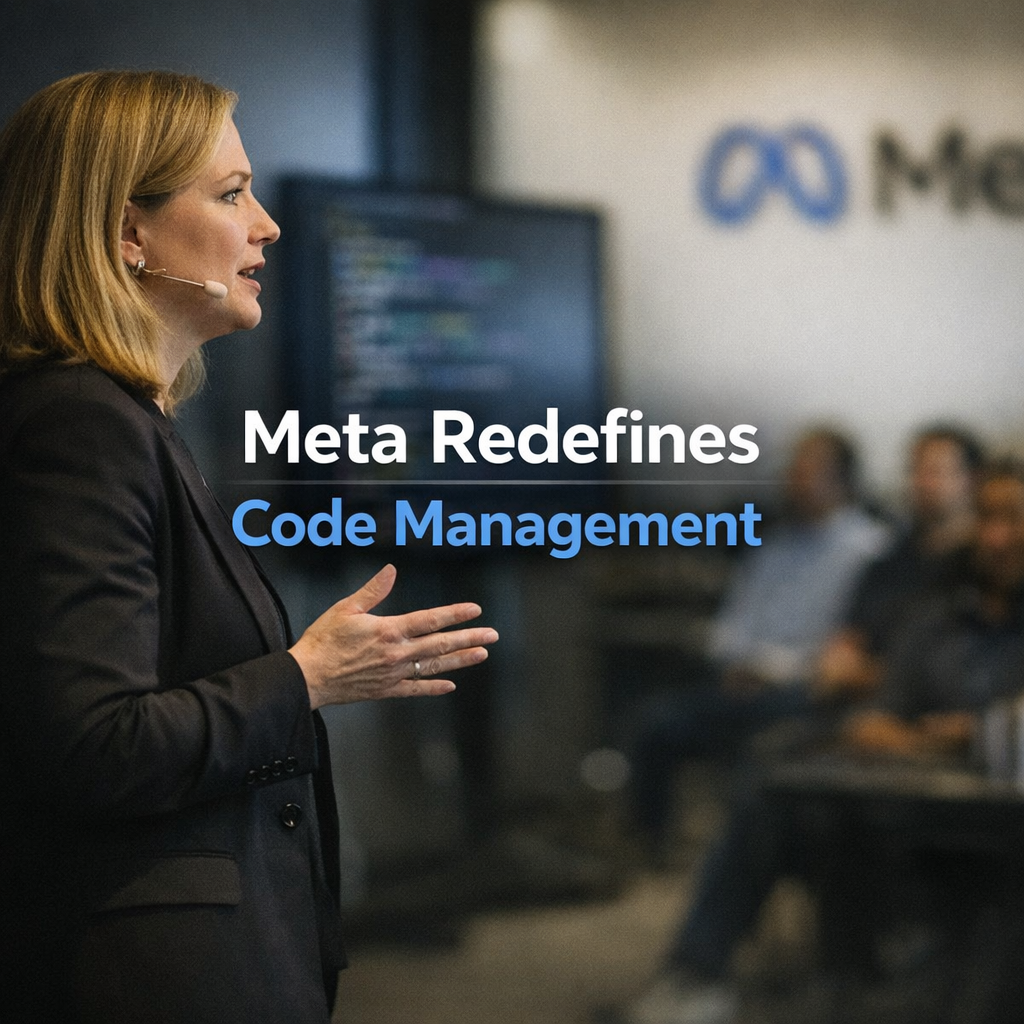
- Meta introduces Muse Code, an AI agent optimized for understanding and navigating massive code repositories.
- Unlike general-purpose LLMs, Muse Code specializes in code context, intent extraction, and large-scale software reasoning.
- The launch intensifies competition with Google, Microsoft, and startups deploying AI copilots for both proprietary and open-source stacks.
- Implications reach from dev team productivity to infrastructure overhaul for complex enterprise applications.
- Developers and AI leaders must prepare for rapidly evolving standards in code analysis, explainability, and automation workflows.
Key Takeaways
Muse Code embodies a shift from passive suggestion engines to proactive AI collaborators deeply embedded in software development. Meta’s entry signals that generative AI is moving from code generation into the thorny realm of legacy maintenance, advanced tracing, and intelligent refactoring. This momentum is catalyzing new best practices for integrating AI into engineering pipelines and may soon redefine how teams approach technical debt, onboarding, and software modernization.
“Meta’s Muse Code leapfrogs vanilla code assistants by leveraging contextual understanding at enterprise scale—heralding a new era for automated codebase management.”
Muse Code: What Sets It Apart?
While LLM-powered tools like GitHub Copilot and Google’s Gemini already assist developers, Muse Code pushes boundaries with its architectural focus on giant, multifaceted codebases. Its AI models aren’t just trained on public GitHub snippets—they have exposure to real-world, cross-language repositories, including dependency graphs, version histories, and intricate abstractions. Muse Code emphasizes not only autocomplete and inline suggestions, but also comprehensive code summarization, impact analysis for changes, and mapping business logic across millions of lines.
“Contextual depth is Muse Code’s core innovation—it is engineered to trace, summarize, and reason about software at a scale unreachable for generic LLMs.”
How Muse Code Changes Developer Workflows
Muse Code isn’t limited to code generation. It can answer complex questions about legacy modules, highlight interdependencies, and explain code intent in plain language. For enterprise teams managing aging monoliths, it may accelerate onboarding and reduce the risks of “tribal knowledge.” Workflow integrations—such as Git, CI/CD, and issue trackers—enable developers to query Muse Code for explanations, see the ripple effects of possible changes, and automate routine documentation tasks.
“The ability to query an AI about a codebase’s intent or technical debt will redefine what it means to maintain and modernize enterprise software.”
Competitive Pressure: Google, Microsoft, Open Source
Meta’s release arrives as the competition heats up. Google’s Gemini Code Assist (formerly Codey) is rapidly improving, with new support for multi-modal inputs and better codebase navigation. Microsoft, through GitHub Copilot Enterprise, is already embedding LLMs deeper into dev workflows. Open-source alternatives like StarCoder2 and Salesforce’s CodeGen are rapidly gaining traction for privacy-conscious organizations. Muse Code’s focus on efficiency in massive repositories puts pressure on rivals to deliver beyond code completion—raising expectations for explainability, refactoring, and secure handling of proprietary code.
Implications for AI Startups and Enterprise Tech
The arms race for smarter, context-aware code agents is upending traditional software maintenance economics. AI-powered tools that cut onboarding time and automate legacy migrations offer immense value to both fast-moving startups and large, risk-averse enterprises. With compliance requirements and explainability barriers looming, Muse Code could set new benchmarks for AI governance in software engineering. Furthermore, startups competing in this space must now incorporate deeper contextual AI or risk irrelevance in enterprise sales cycles.
“As AI copilots gain codebase intuition, startups must rapidly evolve or risk disintermediation by tech giants offering end-to-end development intelligence.”
The Road Ahead: Standards, Challenges, and Opportunities
Muse Code’s debut accelerates the push for industry-wide standards governing AI-driven code analysis, change tracking, and codebase summarization. Fresh challenges await: maintaining model currency with fast-moving repos, enforcing privacy, and managing hallucinations in autogenerated explanations. Yet, the upside is clear. Having an AI that not only writes, but comprehends and documents legacy software stacks could unlock unprecedented velocity and reliability for engineering teams worldwide.
Conclusion: AI Is Rewriting the Rules of Software Maintenance
Meta’s Muse Code signals a profound shift in the intersection of AI and software engineering. The leap from generation to understanding opens unprecedented opportunities—and new risks—for teams dealing with vast, critical code infrastructure. How developers and enterprises embrace these new agents will determine the pace and safety of digital transformation in a generative AI era.
Source: TechCrunch