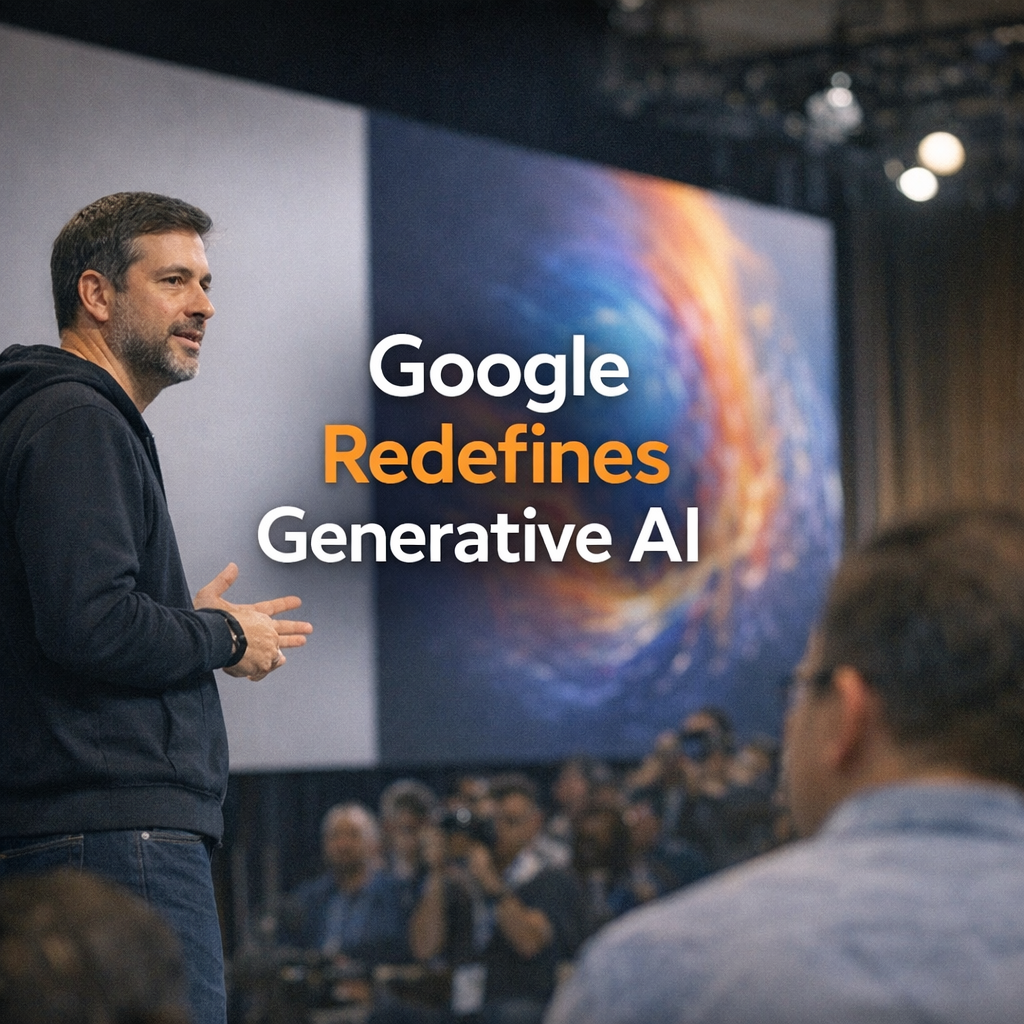
Google has taken another strategic leap in the generative AI race by launching Gemini Spark, its standalone AI assistant, for Mac users. This move marks a notable shift in the desktop AI landscape, as Google aims to embed advanced large language model (LLM) capabilities directly into the daily workflows of developers, power users, and AI professionals. By offering Gemini Spark as a downloadable app for macOS, Google positions itself as a direct competitor to local and cloud-based AI solutions already being adopted across creative and enterprise environments.
- Gemini Spark now available as a native Mac app
- Brings agentic AI task execution directly to desktop workflows
- Targets developers, creators, and professionals seeking powerful LLM tools
- Signals intensifying competition with other generative AI assistants
Key Takeaways
Google Delivers Gemini Spark as a Full-Feature Desktop AI
The launch of Gemini Spark for Mac puts Google’s latest generative AI—previously tied to the web and mobile—directly in the hands of desktop power users. The standalone app allows users to interact with an LLM-powered assistant outside the browser, enabling real-time summarization, drafting, code generation, and ideation tasks natively within macOS.
Gemini Spark’s arrival on macOS removes major workflow barriers, letting AI join users wherever their desktop work happens.
Agentic Capabilities Take Center Stage
Unlike many AI chat assistants that focus solely on conversational responses, Gemini Spark brings agentic behavior—meaning it can perform multi-step tasks on its own, such as organizing documents, creating emails, or running code with user approval. This aligns Google with industry trends favoring agents over simple chatbots, as seen with products like OpenAI’s GPTs and Anthropic’s Claude Apps, both of which have been integrating deeper with desktop productivity suites.
Bridging the gap between LLM chat and practical task automation elevates the potential of generative AI on desktop platforms.
Integration With Developer Workflows
For developers, Gemini Spark isn’t just a chatbot—it integrates deeply into local development environments. The app can help generate, modify, and debug code across multiple languages, suggest documentation, and contextualize code snippets found locally on the machine. Power features, such as securely referencing local files or querying project information, aim to reduce context switching by keeping AI assistance right next to active projects.
Embedding LLM-powered assistance directly into dev environments can reshape how engineers research, build, and document code.
AI Adoption Accelerates Across Desktop OS
Google’s move mirrors efforts by Microsoft and Apple, both of which are investing in bringing AI capabilities to Windows and macOS, respectively. Competition in this space is intensifying, with Mac users already experimenting with Copilot+ PCs, OpenAI’s ChatGPT desktop app, and local LLM tools. By joining the Mac ecosystem, Google expands the footprint of enterprise-grade generative AI where many creative and technical professionals already choose to work.
The desktop is fast becoming the new battleground for seamless, embedded generative AI—integrating deeply into everyday workflows.
Implications for Startups and AI Businesses
With Gemini Spark’s release, startups building on Google’s ecosystem can expect tighter integration possibilities and new opportunities for building agentic workflows, plug-ins, and data-aware automation on top of Gemini APIs. Increased competition on the desktop could also drive faster innovation among commercial and open-source LLM tool providers, influencing frameworks and best practices for AI deployment at the edge.
Greater agentic capabilities encourage startups to push the limits of what AI can handle autonomously—while demanding even stronger privacy and control mechanisms.
Looking Ahead
By anchoring its generative AI platform firmly within the Mac ecosystem, Google demonstrates its commitment to accessible, agent-driven AI experiences. The coming months will reveal how Gemini Spark stacks up against both established and emerging desktop AI assistants, especially in the areas of developer support, productivity enhancements, and extensibility for enterprise integration.
Source: TechCrunch