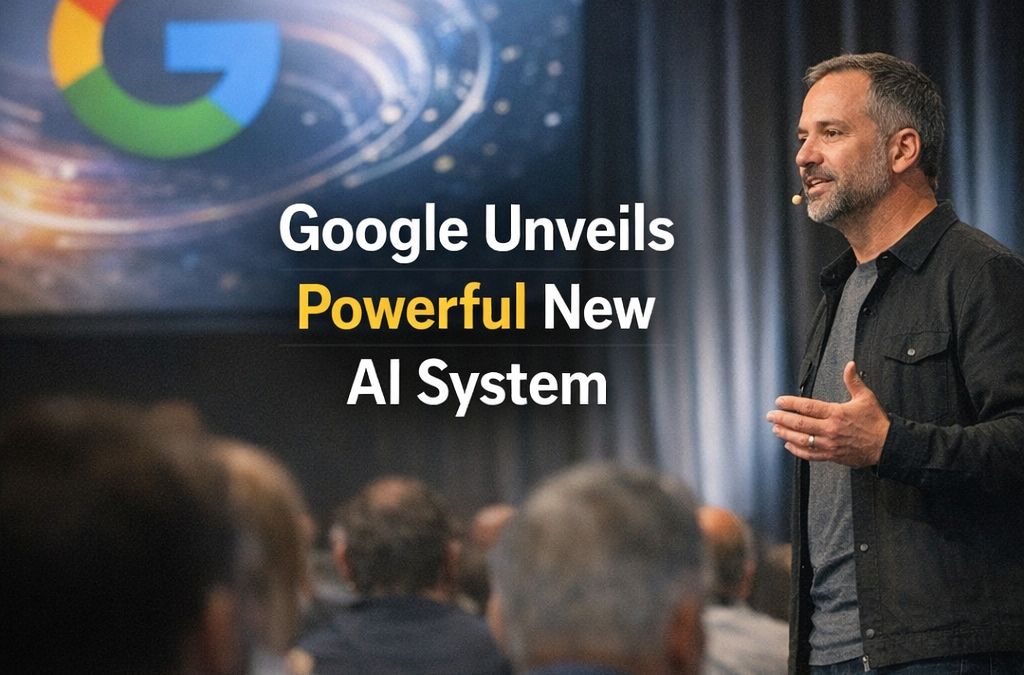
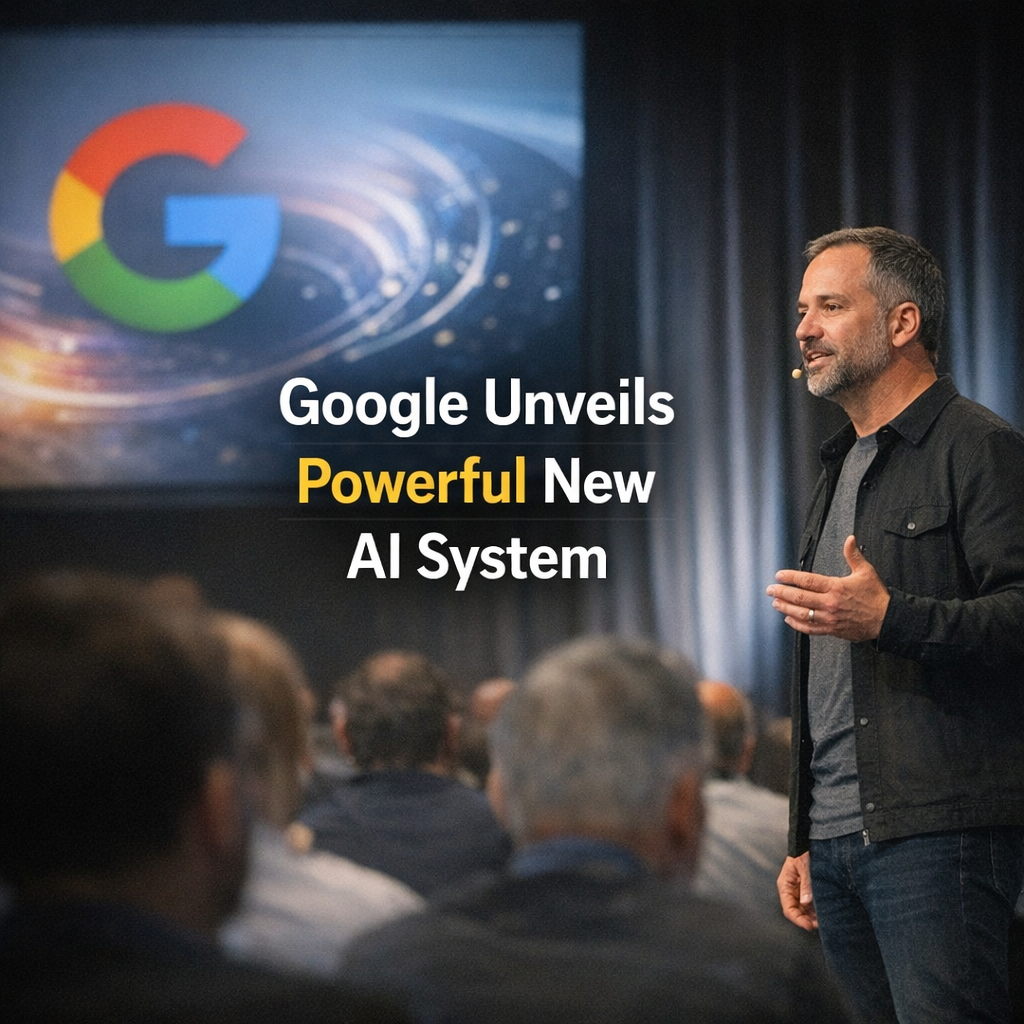
Google has unveiled powerful generative AI integrations within Chrome, signaling a major shift in how browsers will influence daily workflows and productivity for AI professionals, enterprises, and developers. This marks a new era where browser-native large language models (LLMs) could actively support work, research, and application development.
Key Takeaways
- Google launches advanced generative AI features in Chrome, aiming to make the browser an intelligent workplace assistant.
- Native LLM tools will assist with content generation, research, and workflow automation directly in the browser.
- This update positions Chrome as a strategic productivity hub for startups, developers, and enterprise teams.
- AI-powered browser capabilities will intensify competition among browser vendors and generative AI solution providers.
Chrome Transforms Into an AI-Powered Workplace Assistant
Google announced a suite of generative AI enhancements for Chrome, according to TechCrunch and corroborated by The Verge. These features position Chrome not just as a gateway to the web, but a proactive coworker capable of summarizing articles, drafting emails, automating repetitive digital tasks, and integrating with both Google Workspace and third-party SaaS tools.
Chrome’s built-in AI turns the browser into an “always-on” digital assistant, ready to boost workplace productivity, streamline research, and accelerate content creation workflows.
Implications for Developers and AI Professionals
Developers will find browser-based LLM APIs and new extension hooks:
- Opportunity to enhance in-browser applications with contextual AI assistance, code generation, and task automation.
- Faster prototyping and deployment for SaaS, knowledge management, and productivity tools leveraging Google’s native LLM stack.
Startups and enterprise tech teams can:
- Automate and personalize digital workflows without third-party app dependencies.
- Tap into improved data security and privacy controls, as Google claims on-device processing for many generative tasks (ZDNet).
AI-powered browsers may soon serve as the primary interface for enterprise digital transformation.
Intense Competition and Future Outlook
Microsoft’s Copilot integrations in Edge and numerous startup browser ventures now face direct competition from Chrome’s deeply embedded generative AI capabilities (Engadget). Google’s vast install base and control over browser standards could influence how web AI tools evolve and establish new ecosystem norms.
What’s Next?
- Watch for rapid LLM-driven extensibility in browser APIs—expect developer documentation and SDKs to follow Chrome’s rollout.
- Organizations will assess security, privacy, and reliability of in-browser AI for sensitive workflows.
- The definition of a “browser” will increasingly blur with that of a full-featured AI-powered workspace.
Chrome’s AI leap could redefine both the browser landscape and how professionals interact with generative AI at work.
Source: TechCrunch