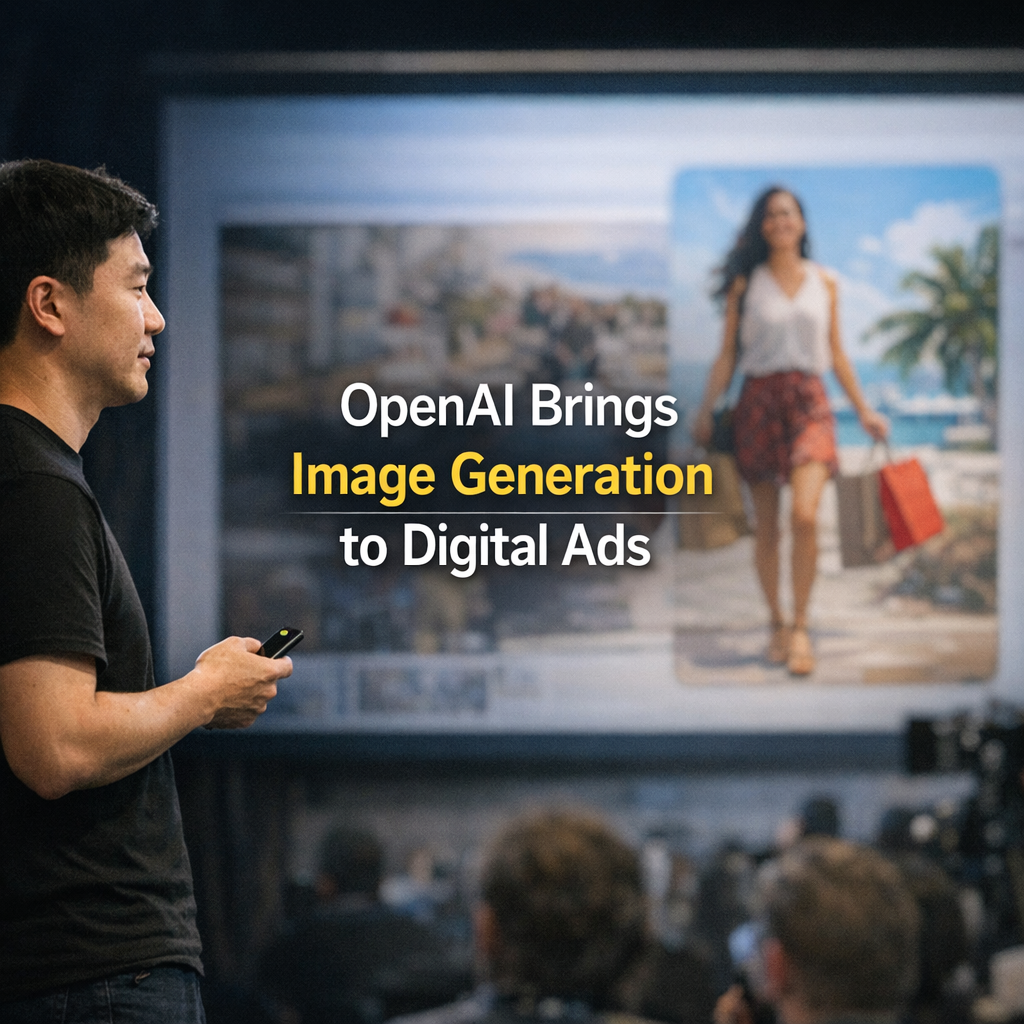
- OpenAI confirms ongoing development of advertising features for ChatGPT, with transparency as a primary focus.
- Ads integration in large language models (LLMs) remains an iterative and cautious process due to user trust and ethical concerns.
- Developers and AI professionals should anticipate new APIs and developer tools for incorporating ads into generative AI interfaces.
- The move signals opportunities and challenges for startups in the generative AI ecosystem—especially in monetization and user experience.
OpenAI’s announcement regarding the experimentation and future integration of advertising within ChatGPT and similar Large Language Models marks a pivotal moment in AI commercialization. As the generative AI market expands, leading platforms must balance innovation, user trust, and ethical monetization. This development affects not just end users, but also developers, startups, and AI enthusiasts seeking to leverage LLMs for advanced applications.
Key Takeaways
- Transparency will define AI-driven ad integration.
- OpenAI’s ad initiatives serve as a blueprint for industry standards in LLM monetization.
- Ad capabilities in generative AI present new revenue channels for AI startups—if carefully implemented.
OpenAI’s Ad Strategy: What’s Changing?
According to OpenAI COO Brad Lightcap’s statements and TechCrunch’s coverage, OpenAI aims to introduce advertising into ChatGPT as an “iterative process.” The company plans to test, gather user feedback, and adjust their approach continuously. Lightcap emphasized that advertising will arrive “slowly,” prioritizing transparency about when and how users encounter sponsored content.
OpenAI’s “ads in ChatGPT” initiative will only succeed if transparency, user control, and model performance remain uncompromised.
This cautious roll-out focuses on building trust—an issue that has challenged major tech platforms in the past. OpenAI intends to distinguish clearly between AI-generated answers and any advertising or affiliate links presented, potentially through prompts, UI cues, or API parameters.
Developer and Platform Implications
The gradual embrace of advertising in generative AI interfaces will shape how developers interact with LLM APIs and SDKs. Expect to see:
- User-facing flags or metadata APIs to indicate sponsored responses
- New advertising configurations in app integrations (e.g., opt-in/opt-out, targeting rules)
- SDK upgrades to support ad inventory, measurement, and reporting
As seen on Reuters and The Verge, this approach signals OpenAI’s focus on responsible monetization. For developers building generative AI tools, the new tools represent both an opportunity for revenue and a responsibility to maintain ethical standards—such as maintaining a clear separation between organic and sponsored content.
Developers who innovate with ethical transparency in generative AI advertising may set the pace for the next era of digital monetization.
Challenges and Opportunities for Startups
For AI startups, OpenAI’s move presents both a new monetization channel and challenges around user trust. Key considerations include:
- Transparency: Clearly flagging ad content within generative AI outputs preserves user credibility and product differentiation.
- User Experience: Poorly implemented ads risk undermining trust and adoption—startups must balance monetization with seamless conversational flows.
- Ethical Standards: Proactively adopting OpenAI’s transparency benchmarks could give early movers a competitive edge as users and regulators scrutinize AI more closely (Engadget).
Generative AI platforms that can demonstrate transparent, respectful integration of monetization are likely to attract more users, partners, and investors in an increasingly crowded space.
Looking Ahead: Industry Impact and Next Steps
The coming months will determine how ad-supported generative AI takes shape, and which platforms set the standards for responsible, profitable AI. Expect more details on developer APIs, UX guidelines, and policy frameworks as OpenAI and peers iterate in public—and as competitors like Anthropic and Google react to these industry shifts. AI professionals and product teams should pay close attention to how user consent, ad labeling, and data privacy evolve alongside new monetization models.
The integration of ads into LLM-based applications will redefine the relationship between AI platforms and users—those prioritizing transparency and utility will lead.
Source: TechCrunch