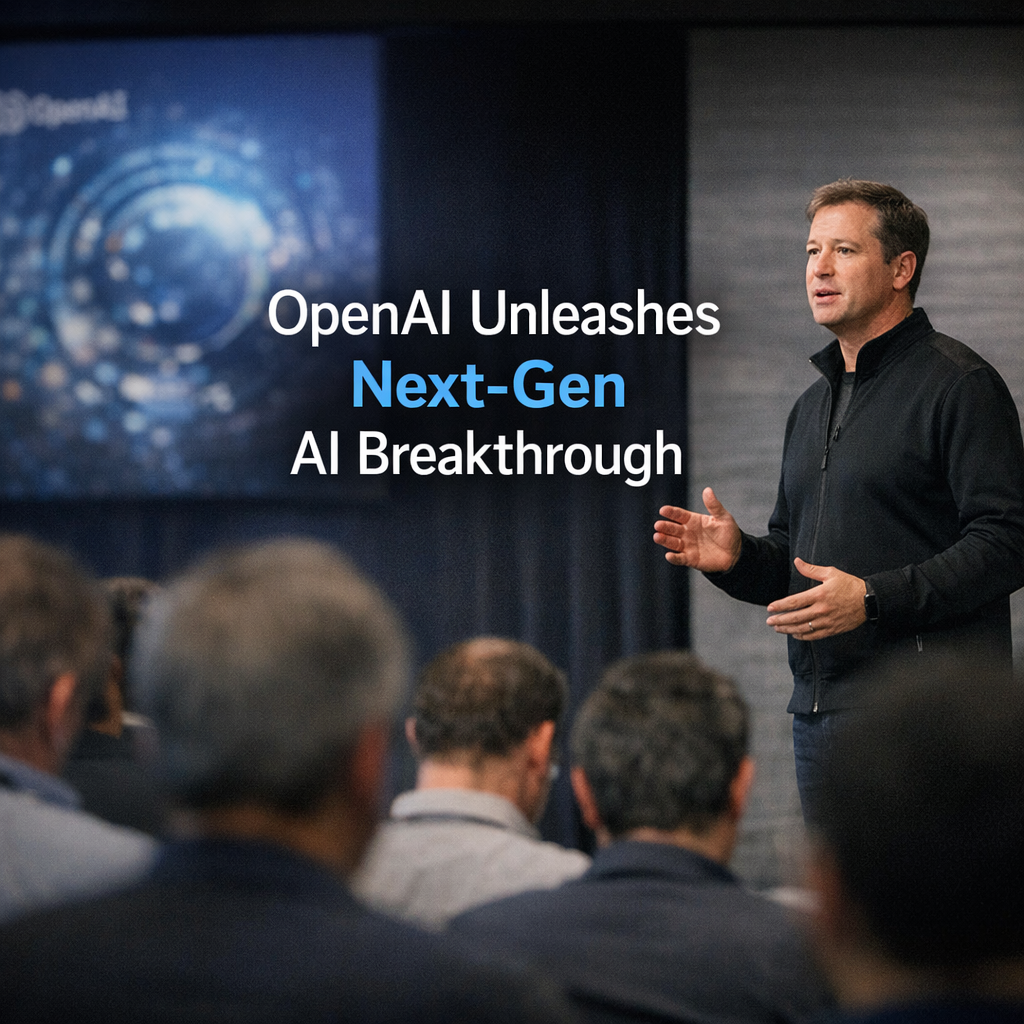
India’s engagement with generative AI is skyrocketing. According to OpenAI CEO Sam Altman, over 100 million Indians now use ChatGPT every week—a statistic that underscores the nation’s influential role in driving AI adoption and innovation. This shift signals major changes ahead for developers, tech startups, and AI professionals looking to leverage and localize large language models (LLMs) in one of the world’s fastest-growing digital economies.
Key Takeaways
- OpenAI reports 100 million weekly active ChatGPT users in India, highlighting massive AI adoption.
- India’s influence shapes global generative AI development and localization strategies.
- Developers and startups in India and abroad are exploring new AI-driven products for diverse linguistic and cultural needs.
- India’s generative AI growth draws attention from major technology investors and platform providers.
India’s Critical Role in Generative AI Adoption
“India has emerged as a global powerhouse for generative AI usage, ranking among the top user bases of ChatGPT worldwide.”
Sam Altman’s disclosure at ET Now’s Global Business Summit (as reported by TechCrunch and The Economic Times) cements India’s status in the global AI ecosystem. The 100 million weekly figure rivals usage in North America and the EU, validating India as an attractive market for leading AI labs and keywords like LLM deployment, voice AI, and digital workforce automation.
Opportunities and Implications for Developers and Startups
This surge of ChatGPT users accelerates demand for localized AI applications addressing India’s unique needs. Developers now have the momentum—and audience—to:
- Create products across 20+ regional languages by harnessing multilingual LLMs.
- Build vertical AI solutions for education, fintech, healthcare, and government services.
- Integrate AI APIs with popular Indian messaging, e-commerce, and productivity platforms.
OpenAI’s dramatic adoption numbers prompt global AI service providers to prioritize India-specific solutions and talent recruitment.
Tech giants like Google and Microsoft have already announced larger AI investments in India. Indian startups—such as Krutrim and Sarvam—are racing to develop homegrown models and compete locally, while launches like Google’s Gemini AI in Hindi and other Indic languages broaden the reach of mainstream generative AI.
Challenges and Next Steps for the AI Ecosystem
Despite explosive user growth, successful AI adoption in India will depend on:
- Building better language support and voice recognition for vernacular languages.
- Ensuring data privacy, model transparency, and responsible content moderation.
- Addressing infrastructure gaps—especially rural internet access and affordable AI compute.
The next wave of AI innovation in India will reward teams who deeply understand local contexts, regulations, and user expectations.
The Global AI Landscape is Shifting
India’s 100 million ChatGPT users signal more than scale. This is a new phase in generative AI adoption—one that will directly influence model development, toolkits, and best practices for inclusive, multilingual technologies worldwide.
As more Indian developers join the AI ecosystem, expect rapid progress in applications for language technologies, digital productivity, and edge AI. Enterprises, policymakers, and AI professionals should watch India’s trajectory closely for inspiration and partnership opportunities in the ever-evolving generative AI landscape.
Source: TechCrunch