Meta Connect 2025 is setting the stage for major advancements in AI, LLMs, and real-world generative AI applications, positioning Meta to influence developer tools, enterprise solutions, and social technology trends globally.
Key Takeaways
- Meta is poised to unveil its breakthrough in open-source LLMs and AI developer tools at Connect 2025.
- New generative AI features for its AR/VR devices and assistants, set to rival recent launches from Google and OpenAI, are anticipated.
- The upcoming event will focus sharply on empowering AI developers, with expanded SDKs and cloud infrastructure on Horizon OS.
- Meta’s strategy signals aggressive investment in AI-powered social experiences and workplace productivity solutions.
Meta Connect 2025: Spotlight on Generative AI and LLM Innovation
Meta’s annual Connect keynote has become a pivotal event for the global AI community, and the 2025 edition looks set to deliver significant advancements.
Early reports, confirmed by TechCrunch, indicate Meta will introduce state-of-the-art large language models and a fresh wave of developer-focused AI tools.
Meta is positioning itself as the leading open-source alternative to proprietary AI solutions, offering more flexibility for startups and enterprise developers.
The anticipated release of new generative AI features for Meta Quest AR/VR headsets and Ray-Ban smart glasses could make these platforms more attractive for both consumers and enterprise clients—especially as demand for immersive, AI-powered collaboration grows.
Developer Tools and SDK Expansion: Building for AI-Native Experiences
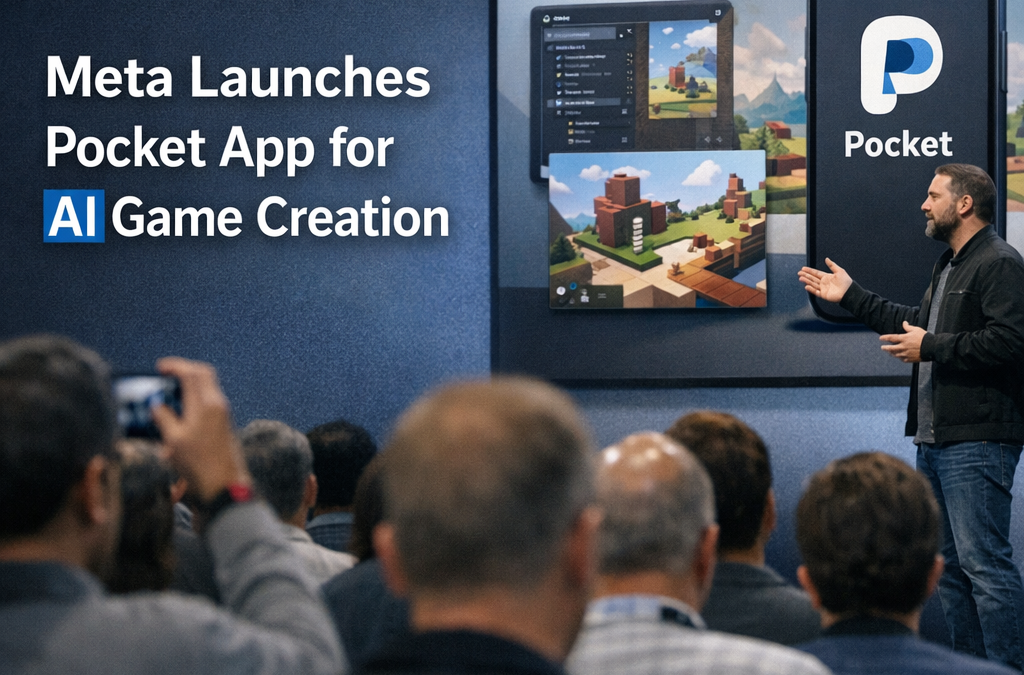
Meta plans to enhance its AI ecosystem through upgraded SDKs and APIs, making it easier to integrate generative AI capabilities directly into VR, AR, and social apps built on Horizon OS.
According to The Verge, Meta aims to provide developers with modular AI building blocks, cloud compute, and ethically-sourced data to facilitate rapid AI deployment.
Expect more open-source AI models and plug-and-play frameworks that lower the barrier to entry for AI startups and research teams.
Strategic Implications for Startups, Enterprises, and AI Professionals
For startups, Meta’s open-source approach can dramatically reduce model training costs and time-to-market for AI-driven apps. With robust cloud infrastructure and pre-trained LLMs, founders gain the agility needed to innovate in the generative AI space without heavy initial investment.
For enterprises, interoperability will become a key advantage. Meta’s AI stack is designed to integrate with existing tooling, making it feasible for organizations to incrementally adopt advanced generative AI without overhauling their workflows.
This marks a competitive move as businesses increasingly seek flexible AI solutions outside of the traditional cloud providers.
Professional AI practitioners should watch for new performance and benchmarking data that Meta is expected to release. These insights will offer guidance on model efficiency, scalability, and real-world deployment, helping teams make informed choices across cloud and edge devices.
What to Expect Next and How to Prepare
Meta’s plans to go toe-to-toe with competitors like OpenAI and Google in both consumer and enterprise AI ecosystems will intensify in the lead-up to Connect 2025. Developers should prepare to explore the announced API documentation and beta-test the new tools almost immediately following the keynote.
The key differentiator for 2025: Meta’s AI platform is architected for collaboration, rapid iteration, and broad accessibility for the next wave of generative AI innovation.
All attendees and AI enthusiasts can follow the action live on Meta’s official Connect website, as well as through partner newsrooms and developer forums. This event is set to reshape the landscape for next-generation AI products and services—across social domains, workplace automation, and new immersive environments.
Source: TechCrunch